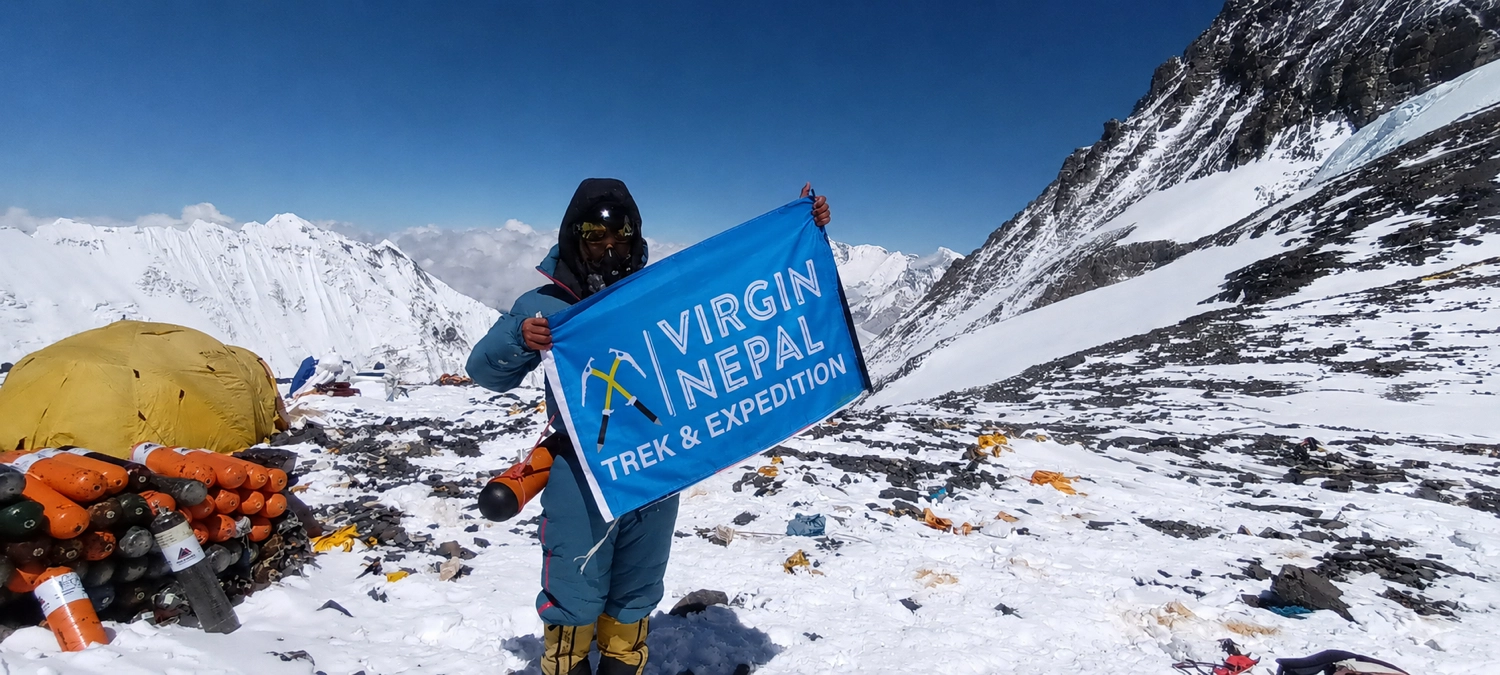

Everest South Expedition

Everest South Expedition

Description

Trip Highlights
  • Duration 60 Days
  • Max Altitude 8,848.86 m
  • Season April to May
  • Group Size 2-17
  • Difficulty extreme

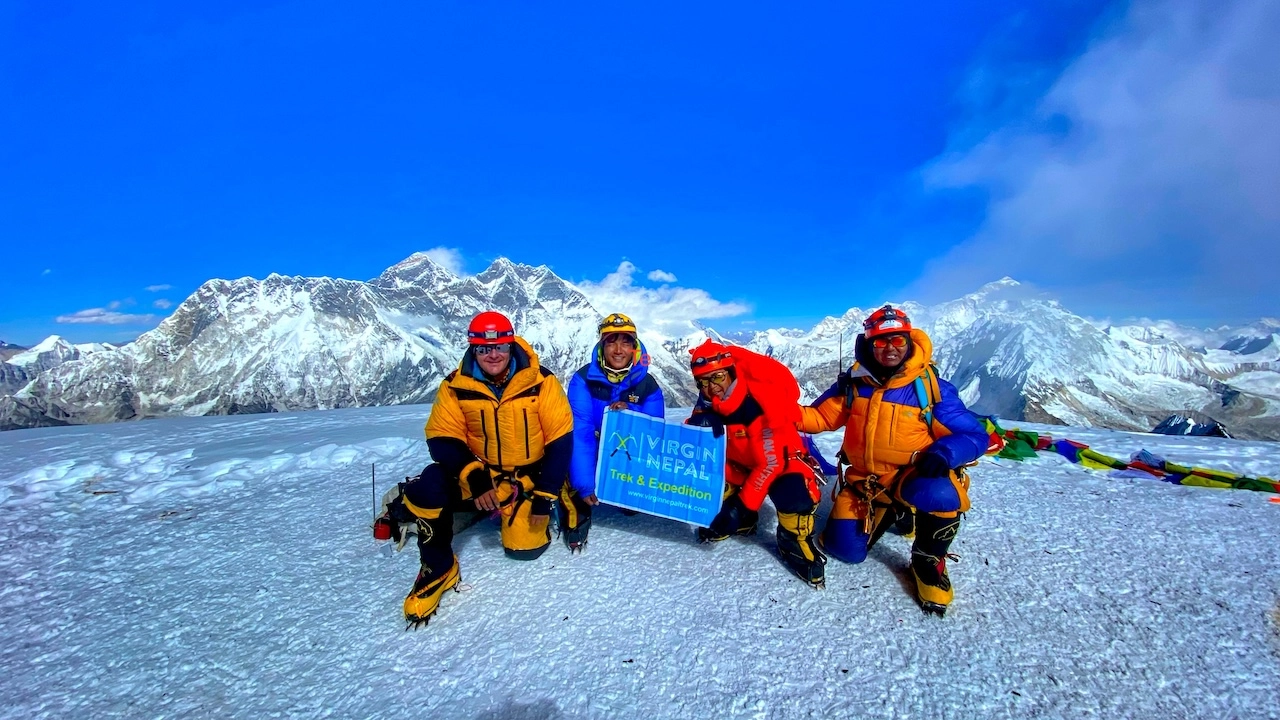
The Everest South Expedition is the ultimate Himalayan objective for experienced climbers who want to stand on the highest point on Earth. Following the historic South Col Route from Nepal, this expedition combines world-class mountaineering with the culture, beauty, and spirit of the Khumbu region.

Your journey begins in Kathmandu, where our team manages final briefings, permits, equipment checks, and expedition preparation. A scenic flight to Lukla leads into the famous Everest trail, passing through Sherpa settlements, suspension bridges, alpine forests, and Buddhist landmarks on the way to Everest Base Camp.

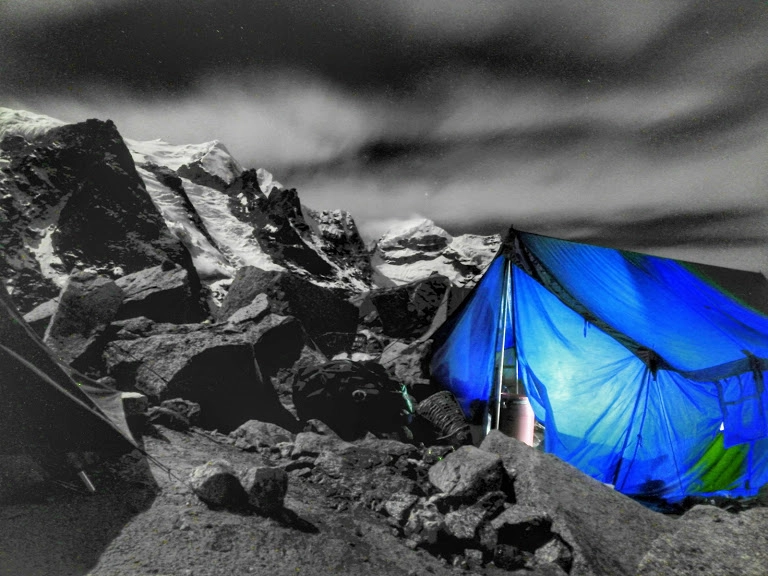
Base Camp becomes home for several weeks. Here, climbers follow a carefully planned rotation schedule to build acclimatization and prepare for the summit window. Our experienced crew manages meals, communications, camp logistics, route coordination, and safety systems throughout the expedition.

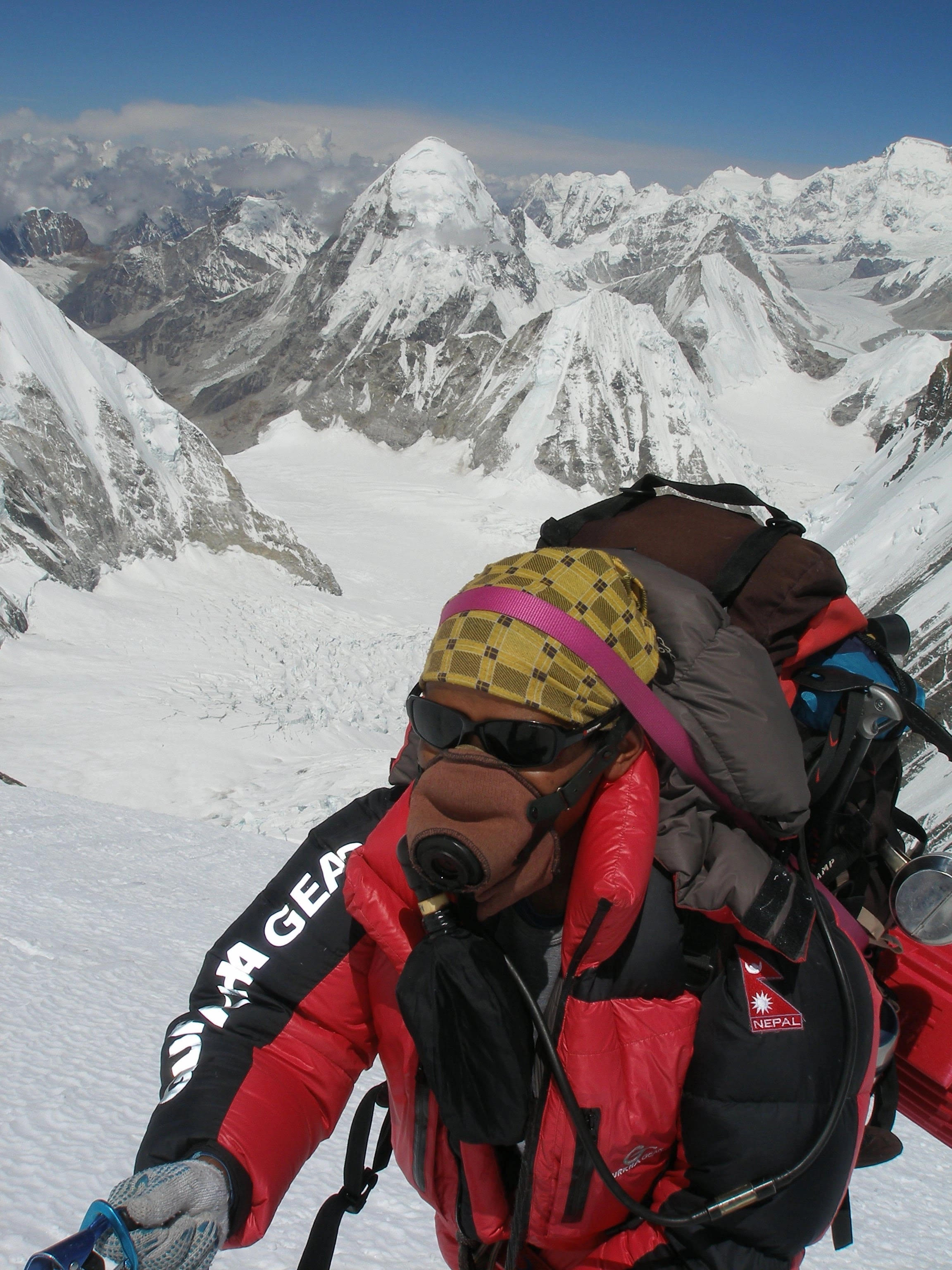
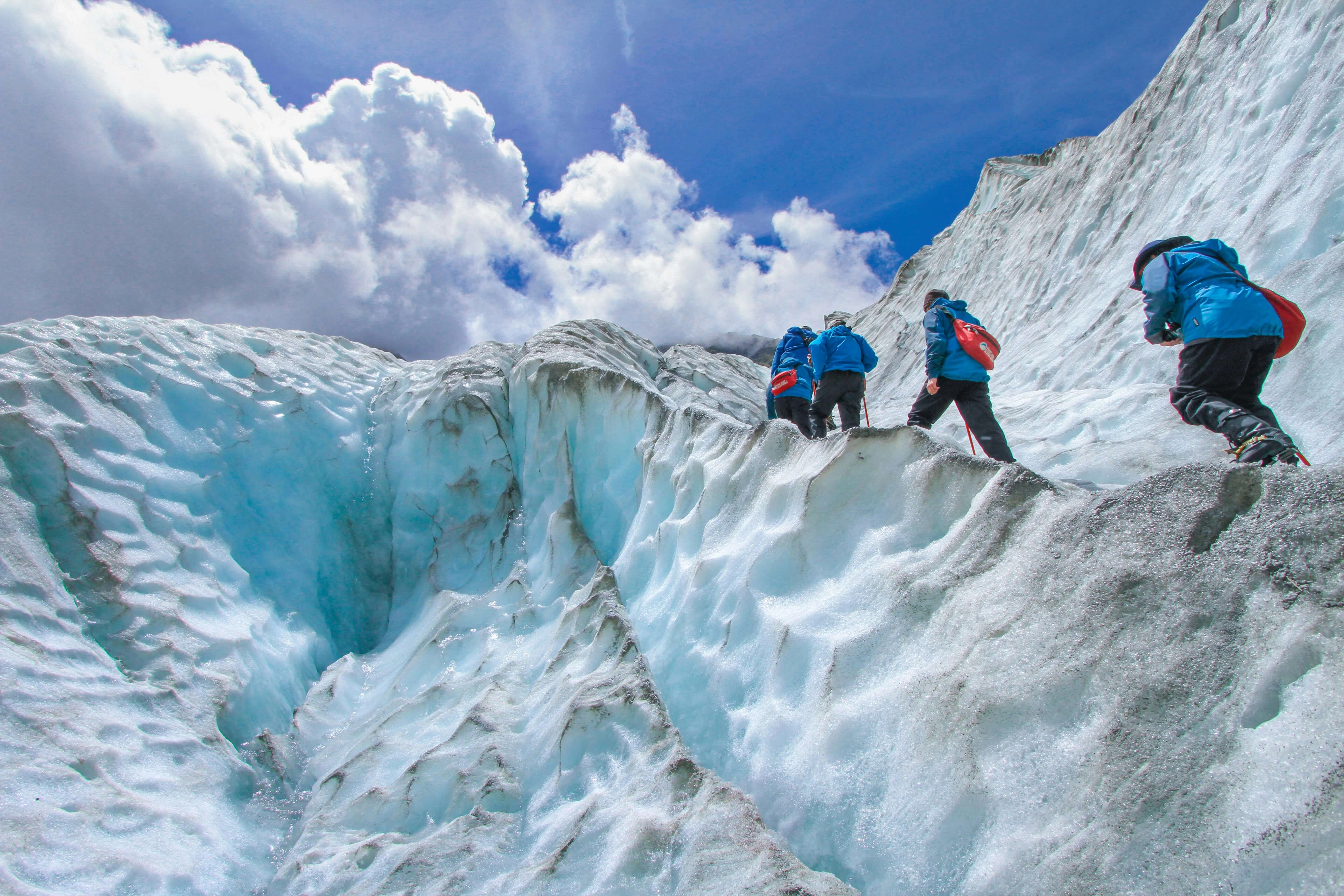
The route climbs through the legendary Khumbu Icefall to Camp I, crosses the Western Cwm to Camp II, ascends the Lhotse Face to Camp III, and reaches the South Col at Camp IV before the final summit push.

Success on Everest depends on preparation, patience, weather timing, strong teamwork, and sound decision-making. With Virgin Nepal Treks and Expeditions, you climb with a premium support structure designed for international climbers who value safety, organization, and personal attention.

Culture of the Everest Region

The Khumbu is home to the Sherpa people, renowned worldwide for their mountaineering skill and resilience. Along the trail, you will encounter monasteries, prayer wheels, mani walls, and warm mountain hospitality that make the Everest journey deeply meaningful beyond the climb itself.

Best Season for Everest South Expedition

Spring (April to May): The main Everest season with the best summit opportunities, route preparation, and more stable weather.

Autumn (select departures): A quieter season with colder conditions and shorter weather windows, suitable for select teams.

Take the next step toward Everest. Contact our team for pricing, preparation guidance, and custom expedition plans.


Day By Day Itinerary

Upon arrival at Tribhuvan International Airport, our representative will welcome you and transfer you to your hotel. After check-in, you can rest from your journey or explore the nearby area. In the evening, enjoy a detailed expedition briefing with your climbing team.


1,400 m

This day is reserved for official preparations and final logistics. We complete permit formalities, conduct a full gear inspection, and assist with any last-minute equipment purchases or rentals. You will also meet your expedition members and review the climbing plan.


Take an early scenic flight to Lukla, one of the world’s most iconic mountain airstrips. After meeting the trekking crew, begin a gentle walk through traditional villages and forested trails to Phakding, following the Dudh Koshi River.


Today’s trail crosses several suspension bridges and enters Sagarmatha National Park. A steady uphill climb brings you to Namche Bazaar, the main trading hub of the Everest region. Weather permitting, enjoy your first views of Everest and surrounding peaks.


A vital rest day for altitude adaptation. You will take a short hike to a higher viewpoint such as the Everest View area, then return to Namche for recovery. The afternoon is free to visit cafés, bakeries, local shops, or museums.


The trail offers spectacular mountain scenery as you walk toward Tengboche. On arrival, visit the famous Tengboche Monastery, an important spiritual center of the Khumbu, surrounded by remarkable views of Ama Dablam, Everest, and Nuptse.

Descend through forest trails before climbing gradually into the open alpine landscape. As vegetation thins and the air becomes drier, the scenery changes dramatically. Dingboche is a comfortable mountain village ideal for further acclimatization.

Another important adjustment day. A short hike to a nearby ridge helps your body adapt to the altitude while offering expansive views of Lhotse, Makalu, and the Imja Valley. Return to the lodge for rest and hydration.


Continue higher through rugged terrain and glacial landscapes. Along the route, pass memorials dedicated to climbers who lost their lives in the Himalaya. The trail then leads to Lobuche, where the expedition atmosphere becomes more intense.

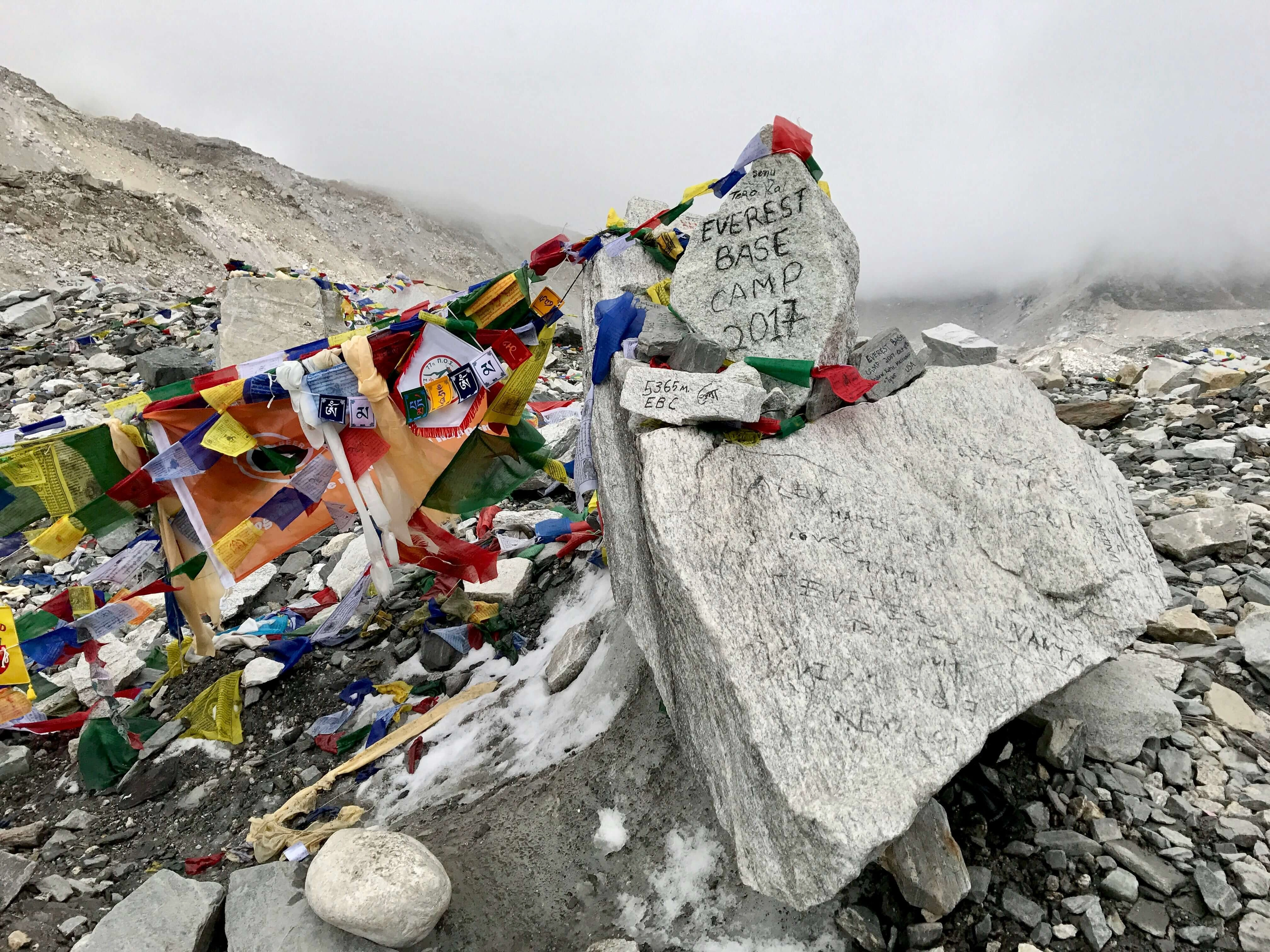
Follow the moraine trail beside the Khumbu Glacier to reach Everest Base Camp. Prayer flags, expedition tents, and the towering Icefall create an unforgettable first impression. Settle into camp and begin your life at the foot of Everest.


This phase includes acclimatization rotations to higher camps, technical training, load carries, rest cycles, and constant weather monitoring. Climbers move strategically between Base Camp and upper camps to prepare for the summit window. When conditions align, the final ascent begins via the South Col route to the summit of Mount Everest.


After completing the climb, begin the descent into lower altitude. The air feels richer and the body begins to recover as you leave Base Camp behind and return to greener terrain.


Continue descending through familiar trails, crossing villages and river bridges. Namche offers a welcome return to comfort, warm meals, and celebration with the team.


Your final trekking day follows the Dudh Koshi Valley back to Lukla. In the evening, celebrate the successful journey with guides, Sherpa staff, and crew members.


Take a morning flight back to Kathmandu and transfer to your hotel. Enjoy a hot shower, rest, and free time in the city after weeks in the mountains.

These reserve days are valuable for weather delays, extra summit opportunities, or additional rest. If unused, they can be spent relaxing in Kathmandu or exploring cultural landmarks.


Our team will transfer you to the airport for your onward flight, marking the end of an extraordinary Himalayan expedition.


Inclusion and Exclusion

  • Airport pickup and drop-off in Kathmandu
  • Hotel accommodation in Kathmandu
  • Domestic flights as per itinerary
  • Everest climbing permit and government fees
  • Sagarmatha National Park and local permits
  • Experienced expedition leader and Sherpa climbing team
  • Base Camp tents, dining tent, kitchen, and staff
  • Full board meals at Base Camp
  • Lodge accommodation during trek approach and return
  • Group climbing gear and fixed rope logistics
  • Supplemental oxygen (as per package level)
  • Weather updates and communication support
  • Cargo transportation and load ferrying
  • Basic medical kit and emergency coordination
  • Farewell dinner in Kathmandu
  • International airfare
  • Nepal visa fee
  • Personal travel and rescue insurance
  • Personal climbing gear
  • Extra hotel nights due to delays
  • Personal snacks, beverages, and laundry
  • Tips for guides and crew
  • Personal expenses not listed above

Gear List & Preparation Notes

Clothing

  • High altitude down suit

  • Base layers

  • Insulated jacket

  • Waterproof shell jacket and pants

  • Expedition gloves and liners

  • Warm hat and sun cap

  • Thermal socks

Footwear

  • Double or triple mountaineering boots

  • Trekking shoes

  • Camp shoes

  • Gaiters

Climbing Equipment

  • Harness

  • Crampons

  • Ice axe

  • Helmet

  • Ascender and descender

  • Carabiners

  • Headlamp with spare batteries

Personal Items

  • UV sunglasses

  • Sunscreen and lip balm

  • Water bottles or hydration system

  • Sleeping bag

  • Trekking poles

  • Toiletries

  • Personal medication

Rental gear can be arranged in Kathmandu on request.


Physical Training

Start training at least 4 to 6 months before departure.

Focus on:

  • Cardiovascular endurance

  • Stair climbing

  • Long hikes with pack weight

  • Strength and mobility

  • Recovery discipline

Technical Readiness

Prior experience above 6,000 m and comfort using crampons, fixed ropes, and alpine equipment are strongly recommended.

Altitude Preparation

Understand the effects of altitude and follow acclimatization guidance carefully throughout the trip.

Mental Preparation

Everest requires patience. Weather delays, long waits, and changing mountain conditions are part of expedition life.

Insurance

Choose a policy that covers high-altitude climbing and helicopter evacuation.

Gear Testing

Use your boots, layers, and gloves during training before arriving in Nepal.


⚠️
Security Notice
devtools.intrusion_detected → true
Stop! This browser feature is for developers only.
If someone told you to paste something here,
they're trying to compromise your account.
system / log
devtools.open()
⚠ WARNINGUnauthorized access attempt
Session ID:
Timestamp:
security.alert.send()
Admin notified