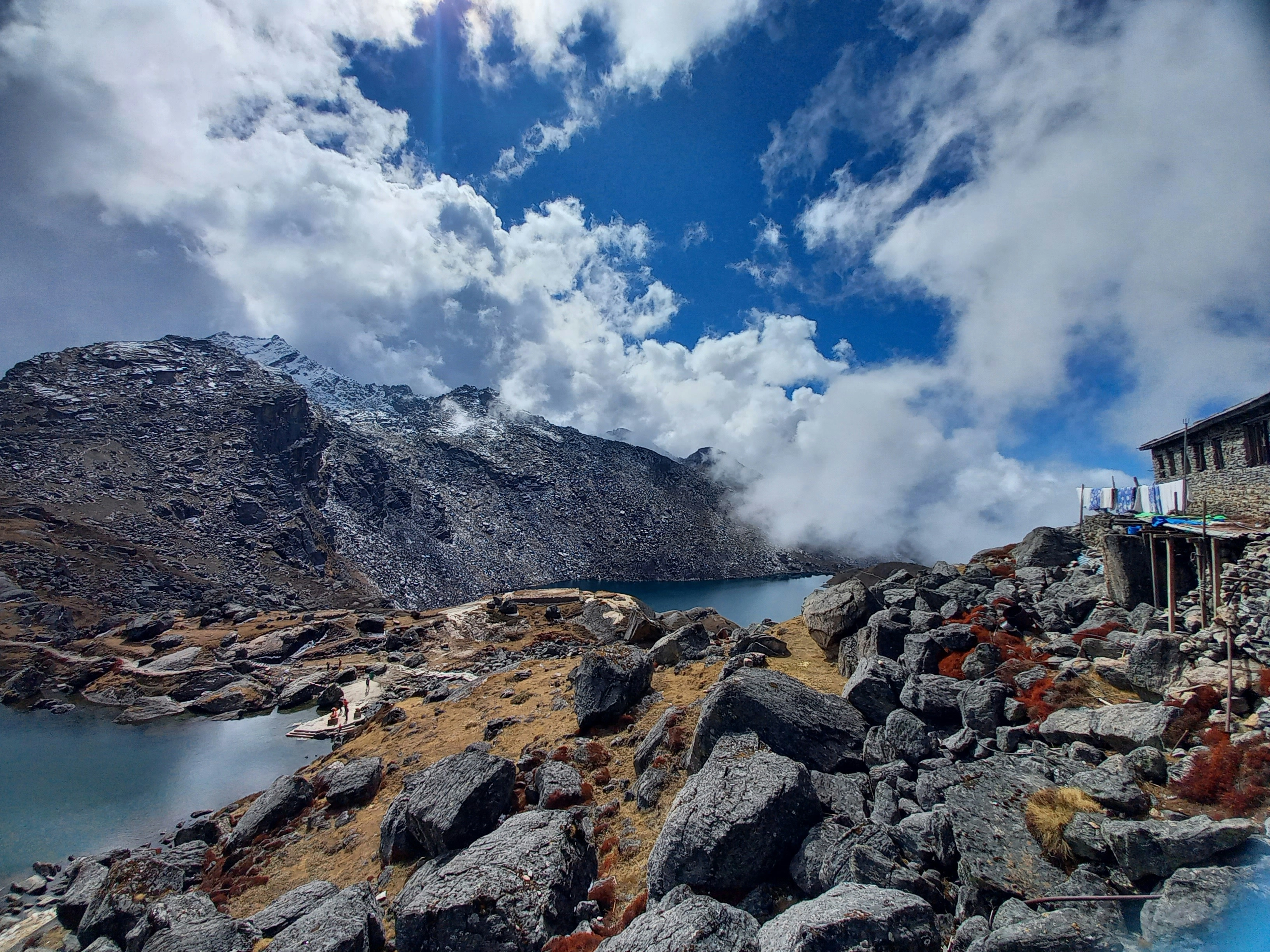
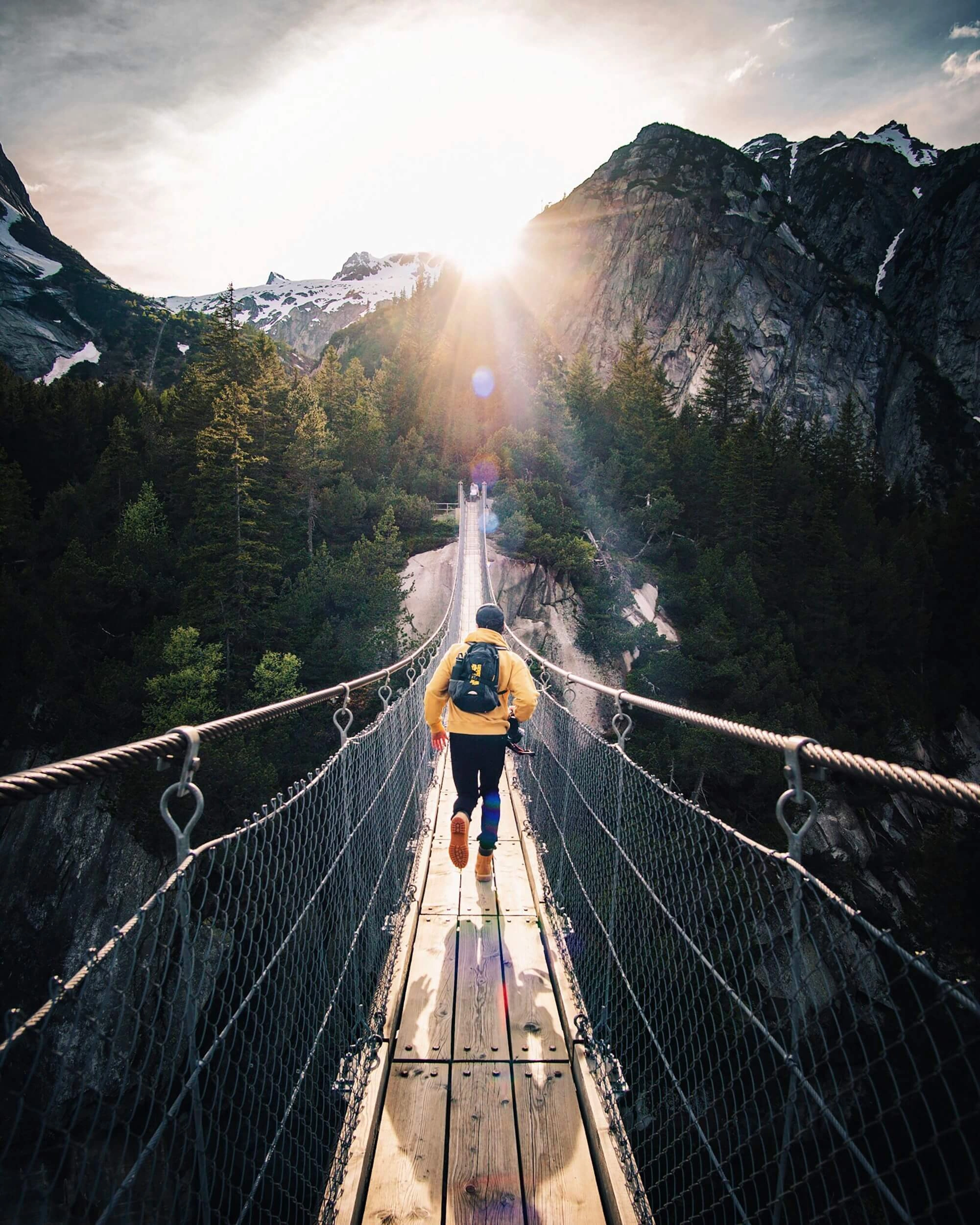
Today, we again climb up through the lush forest on the west side of the Hinku Valley to Tuli Kharka below the Zatwra La where we’ll stay overnight at camp.
Description
Trip Highlights
-
Duration 16 Days
-
Max Altitude 6,476 m
-
Season March–May/September–November
-
Group Size 2-15
-
Difficulty moderate
Mera Peak is the highest trekking peak in Nepal and one of the most sought-after mountaineering objectives in the Everest Region, offering a technically accessible yet genuinely high-altitude summit experience at 6,476 metres. For trekkers ready to take their first serious step into Himalayan mountaineering, Mera Peak is the perfect and most rewarding introduction.
The approach follows a remote and rarely visited trail through the wild Hinku valley — a dramatic and beautiful river corridor flanked by dense rhododendron forests, high moraines, and the increasingly imposing presence of Mera Peak growing on the horizon. The route is quieter and more adventurous than the main Everest trails, giving the entire journey a sense of genuine exploration that many climbers find deeply appealing.
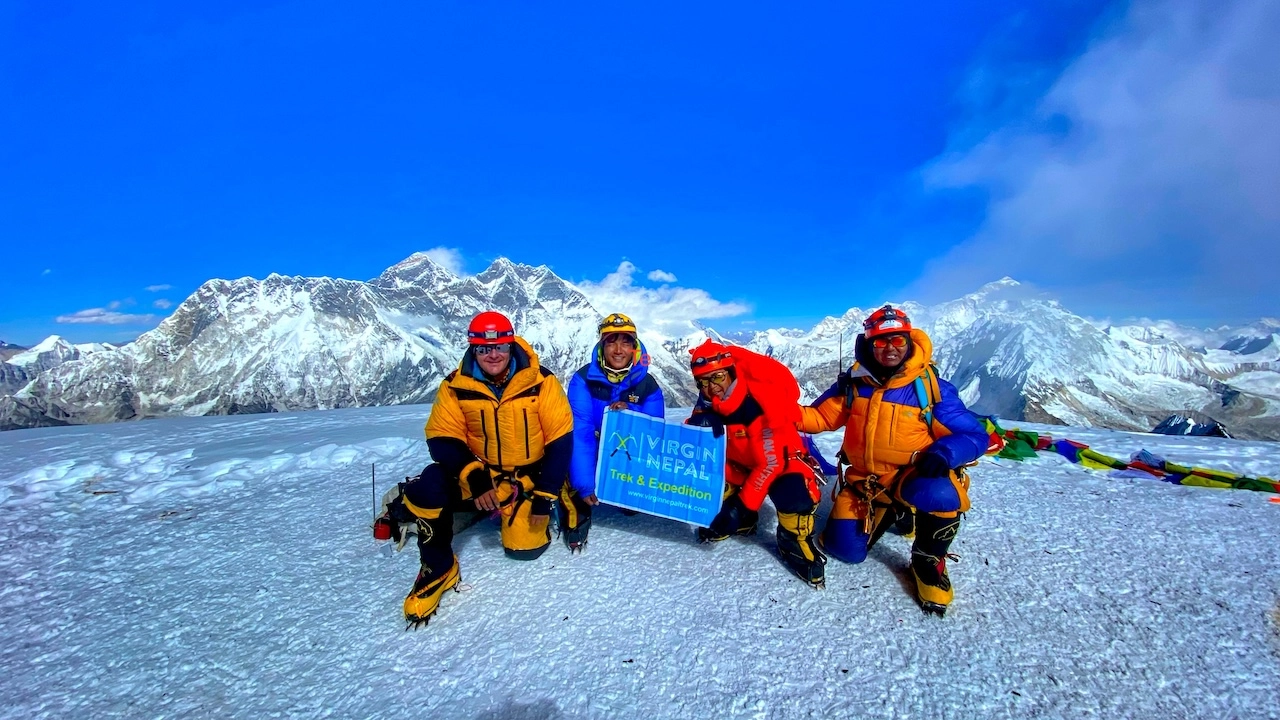
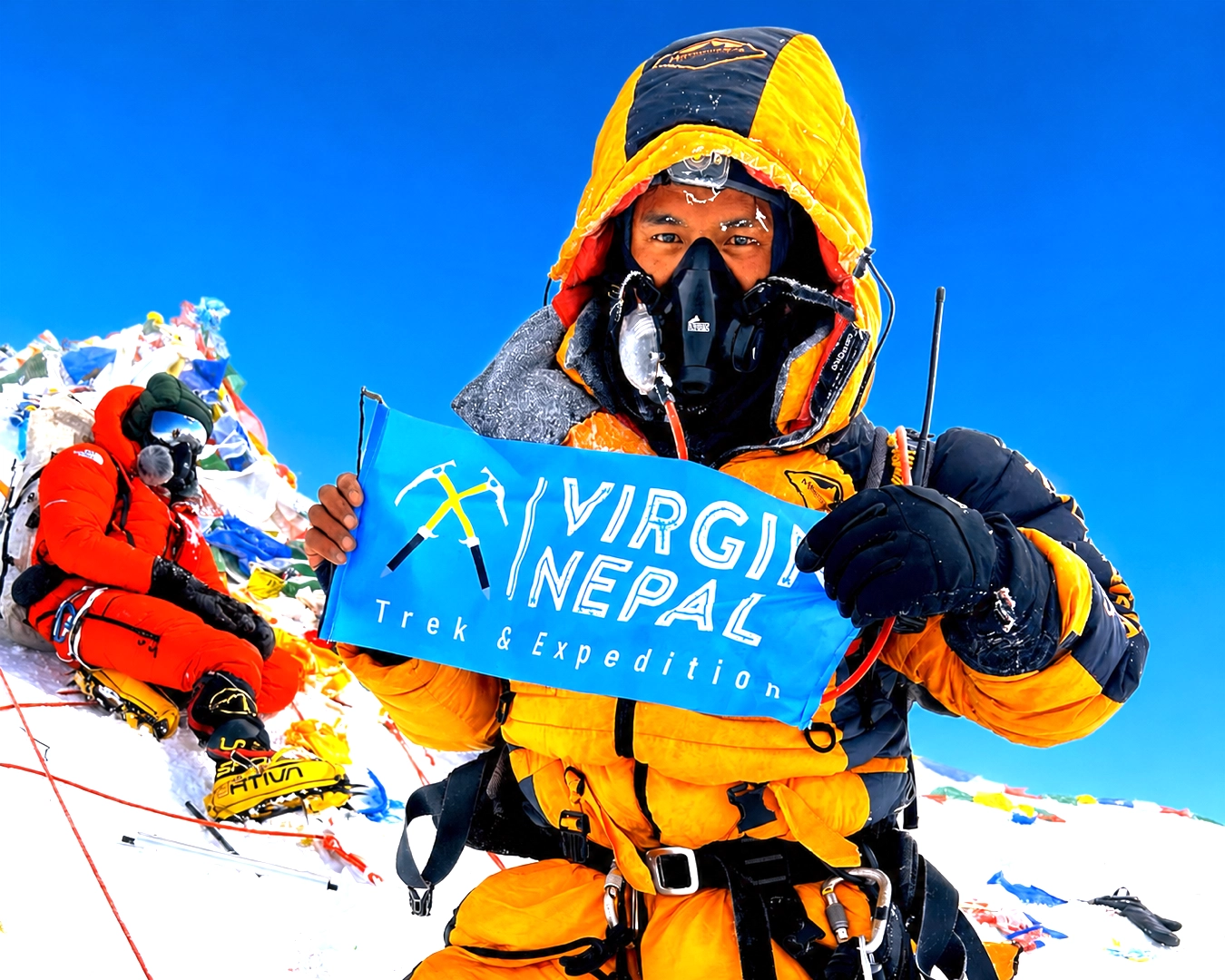
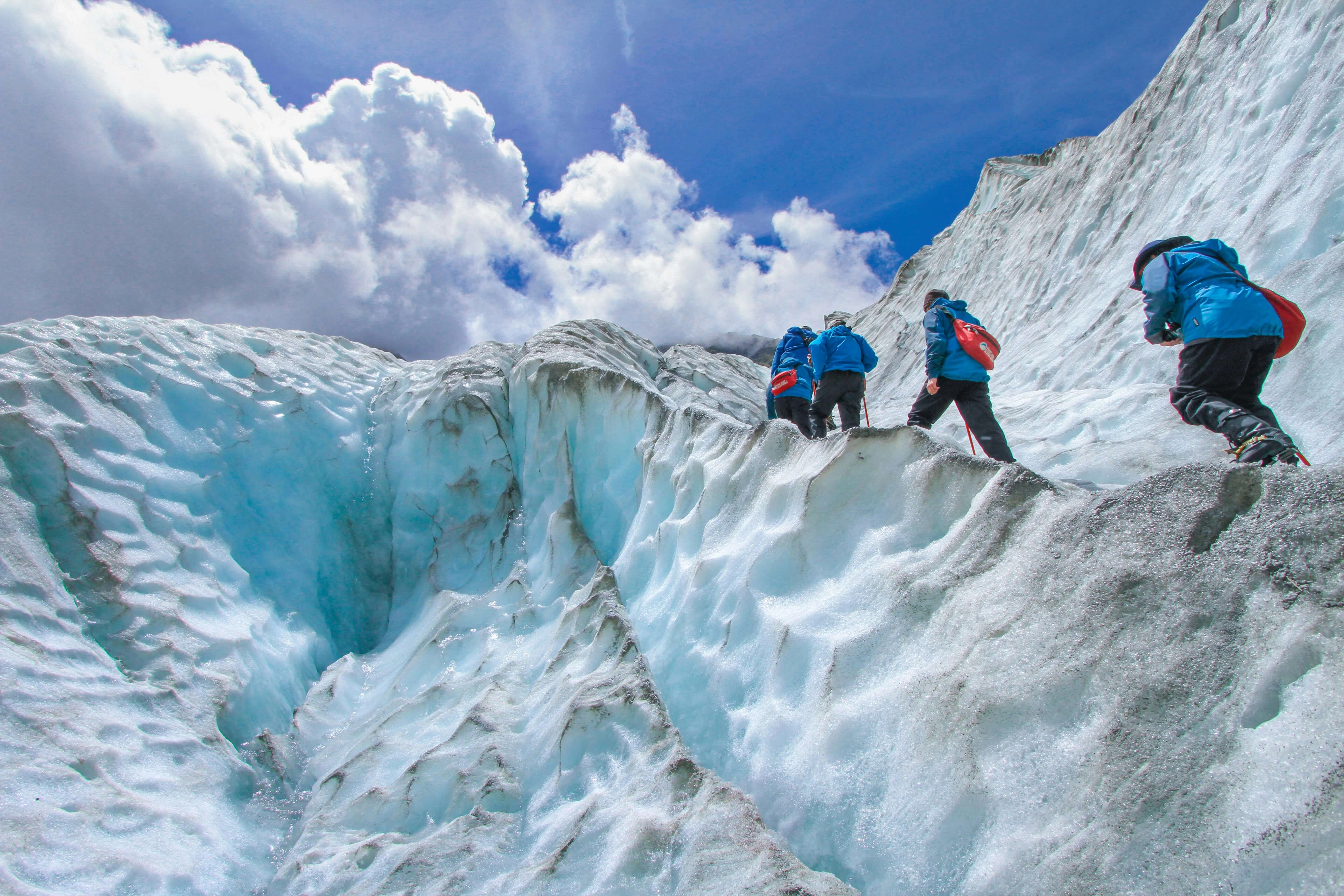
The technical section of the climb is relatively straightforward by Himalayan standards — glacier travel, crampon work, and fixed rope sections lead to the broad summit plateau and ultimately to the highest point. The summit views are extraordinary, encompassing five of the world's fourteen eight-thousanders — Everest, Lhotse, Makalu, Cho Oyu, and Kanchenjunga — spread across the horizon in one of the most spectacular panoramas available on any summit in Nepal.
With Virgin Nepal Treks and Expeditions, you are supported by an experienced Sherpa climbing team with thorough knowledge of Mera Peak, ensuring a well-managed, safe, and deeply rewarding summit experience from start to finish.
Culture of the Everest Region
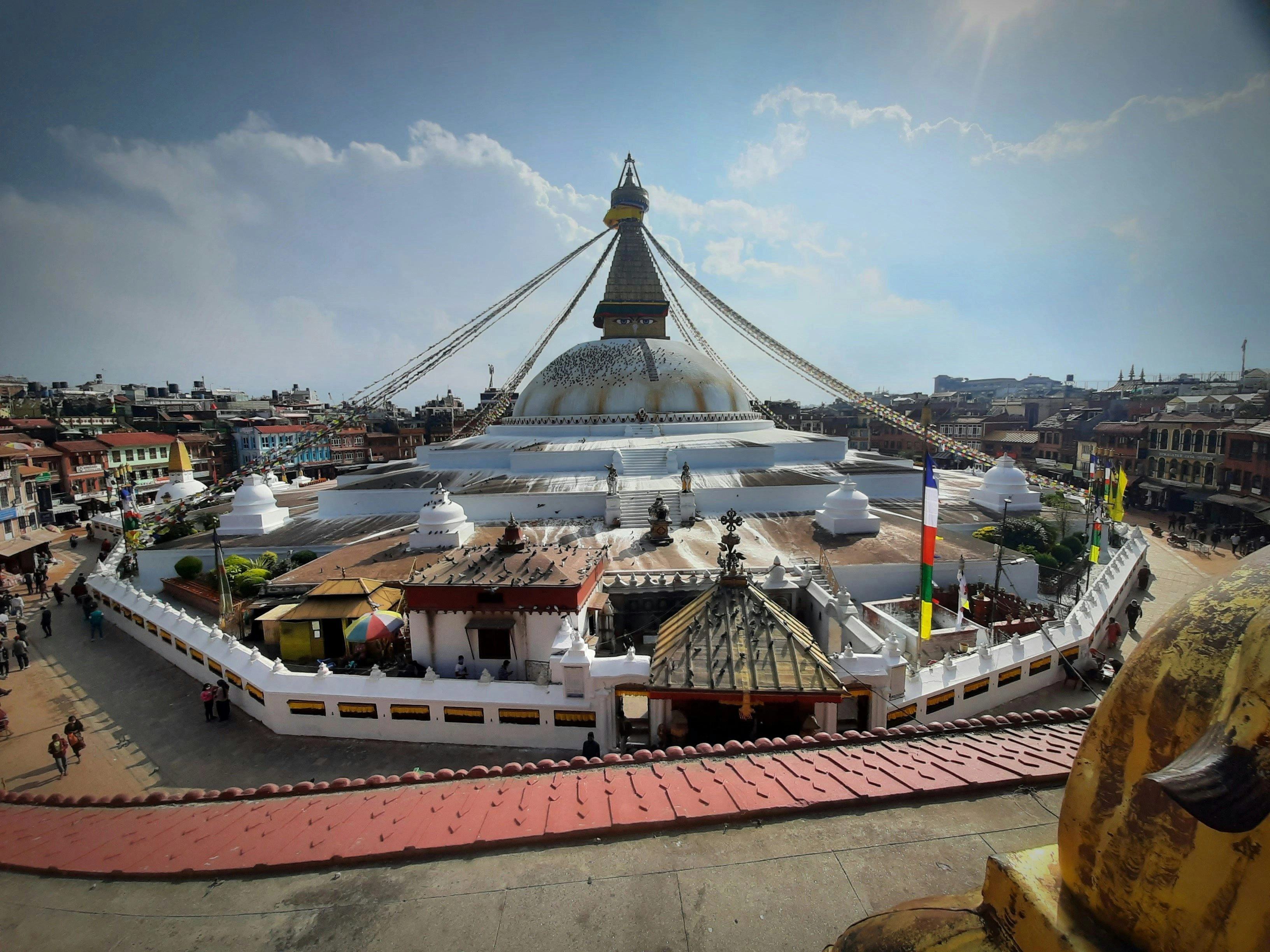
The Hinku valley approach to Mera Peak passes through remote Sherpa settlements where Buddhist traditions remain strong and largely untouched by tourism. Small gompas, mani walls, and prayer flag ridgelines accompany the trail throughout the approach, and the warmth of the local communities encountered along the way adds a genuinely human and culturally rich layer to what is already an outstanding mountaineering journey.
Best Season
Spring (March to May): Stable weather, moderate temperatures, and well-consolidated snow conditions on the upper mountain make spring the most reliable season for a Mera Peak summit attempt.
Autumn (September to November): Clear skies, excellent visibility, and crisp conditions offer a strong and popular alternative season for this climb.
Contact our team for pricing, preparation guidance, and a custom climbing plan for Mera Peak.
Day By Day Itinerary
Welcome to Himalayan country of Nepal. Upon your arrival at the Tribhuvan intl. airport our representative welcomes you and assists to transfer in your hotel in Kathmandu. After time to get refreshed, evening you'll meet and transfer for welcome dinner.
After breakfast, we will meet to check your clothing and trekking equipment (sleeping bag, down jacket and trekking boots). This evening will be spent in Kathmandu.
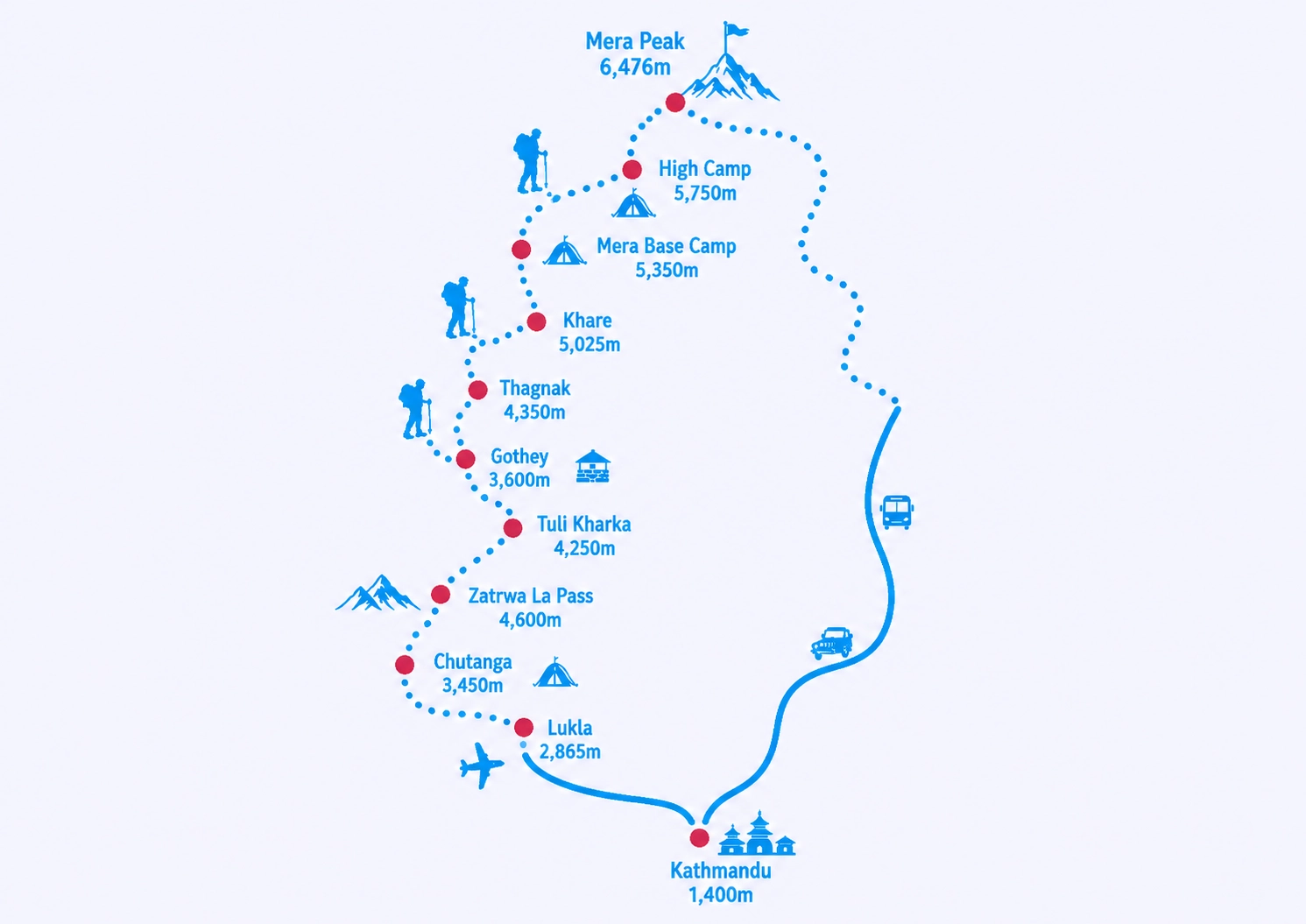
We drive to airport early in the morning to take our flight to Lukla. The scenic 35 minutes flight to Lukla caters the panorama of the peaks of Langtang, Rolwaling and Annapurna Himalayan Ranges. Landing at Tenzing Hillary Airport in Lukla . Instantly, after making the final arrangement for the Mera Peak Climbing , we kick off. A good trail leads through pasture to the edge of a diminishing forest of rhododendron and pine which clothes the steep hillsides above Lukla. We make steady progress on a good trail, crossing ridges and streams up to ‘kharka’ used for grazing yaks where we’ll stop for overnight tented camp
Today we cross Zatrwa la pass (4,600m/15,093ft). From Chutanga we continue a long day walk for around 6-7 hours crossing the Kalo Himal Ridge that separates the Khumbu from the Hinku valley. Traversing across the ridge, that lead across this ridge is the Zatrwa La Pass to the right we finally descend steeply to Tuli Kharka (big pasture) where there are several basic lodges. We make camp beside the lodges. Rest and relax at the camp after a long walk.
Today, after a breakfast we continue our journey descending to Hinku valley of Gothey. This is a good place to camp and there are several teahouses around and you can visit and go and watch the local lifestyle in the remaining time and we’ll camp near by the teashops and overnight.
The following day is another short day as you trek in the shadow of Mera Himal along the ridge of the Hinku Khola. The west bank of the Hinku Drangka northwards, we will take lunch at Gondishung, a summer herders’ settlement. Beyond Gondishung we pass a 200 year-old Gompa built beneath a massive boulder. At the Gompa we burn some juniper at the shrine, an offering that just might ensure a successful ascent of Mera Peak. Thagnag is a summer grazing area with the simplest of lodges and shops starting to develop and we overnight in Thagnag.
An acclimatization day is essential here. It is in a superb setting surrounded by stunning peaks. There is a huge moraine in the north of Tangnag where a beautiful glacial lake, Sabal Tsho is dammed- definitely worth a visit. A cairn (5,270m/17,290ft) on the flanks of Kusum Kangguru can also be rewarding and beneficial for acclimatization. Our climbing Sherpa will provide you training course.
Today we are heading up from Tagnag towards the Mera Base Camp at Khare. We follow the lateral moraine of Dig Glacier to Dig Kharka, which offers spectacular views of Charpate Himal. The trail climbs through moraines and to the snout of the Hinku Nup and Shar Glaciers and then climbs more steeply to your camping spot at Khare after 3-4 hrs walk.
A very short trek allowing as much as acclimatization time as you make your way to Mera Base Camp. We first climb to the crest of the moraine above Khare and then up a steep slope of scree or snow to reach a boulder strewn bowl below the lower tongue of the Mera Glacier. Reaching the pass Mera La (5,415m/17,766ft) allows us to see spectacular views; we then descend 100m (328ft) towards the Hongu side and set up base camp in the moraine below the ice and we overnight in Mera Base Camp.
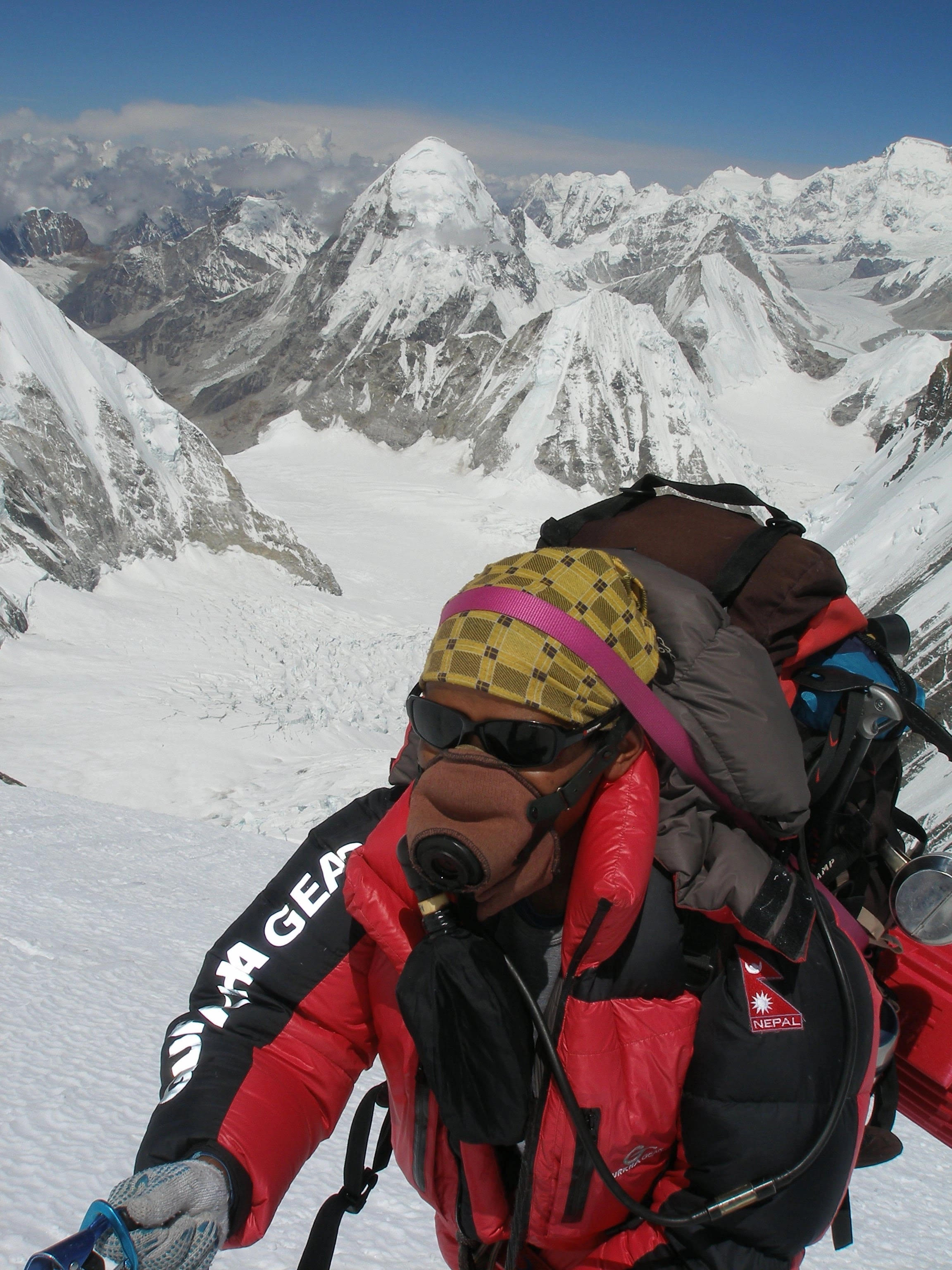
Making your way to Mera High Camp can be hazardous if it has recently snowed, as there are a number of crevasses here. You make your way to the top of the rock band, which is marked by a large cairn. You set up a high camp and from here the views are outstanding. The views of Everest, Makalu and Cho Oyu piercing the skyline is breathtaking. This evening we overnight in Mera High Camp.
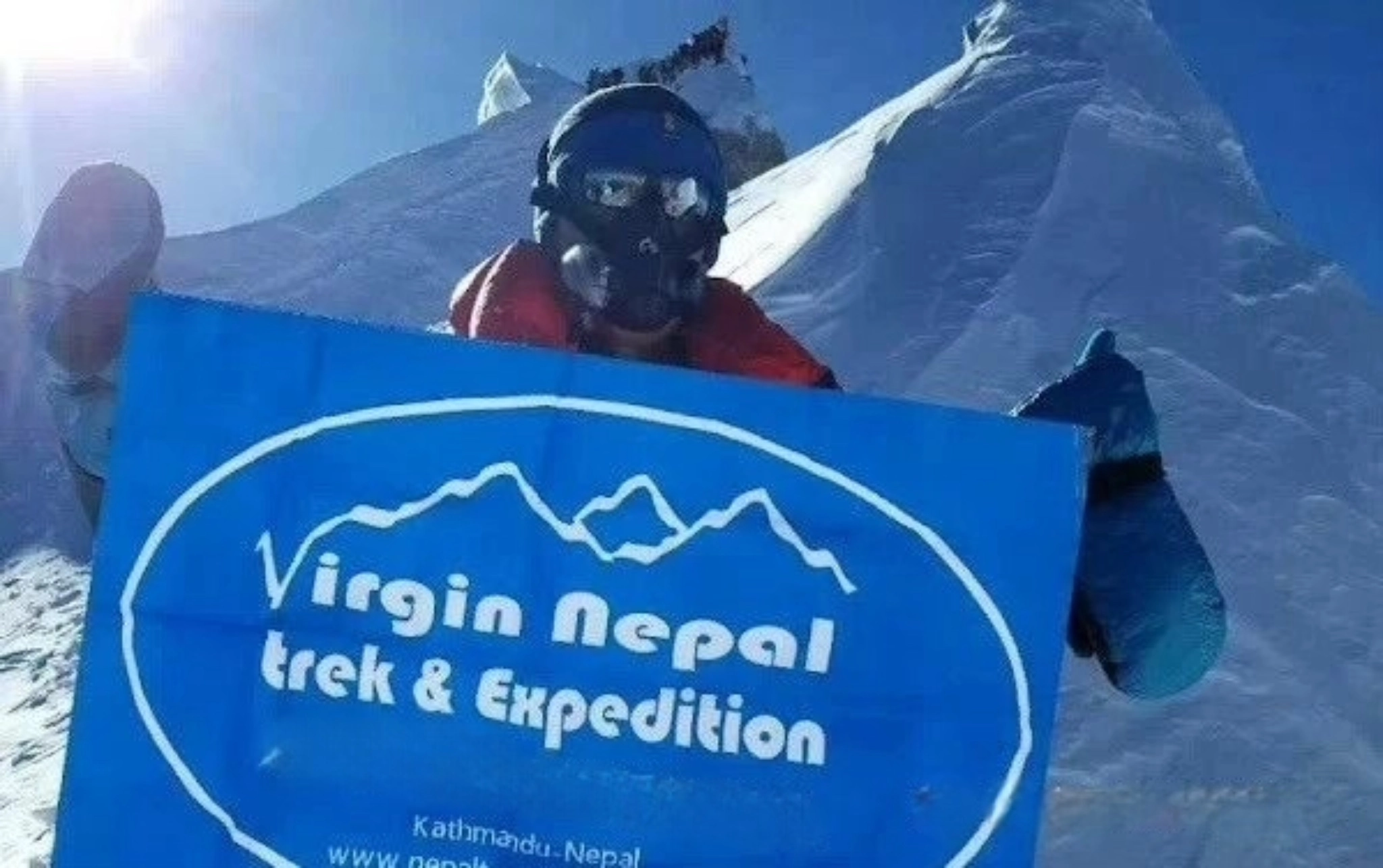
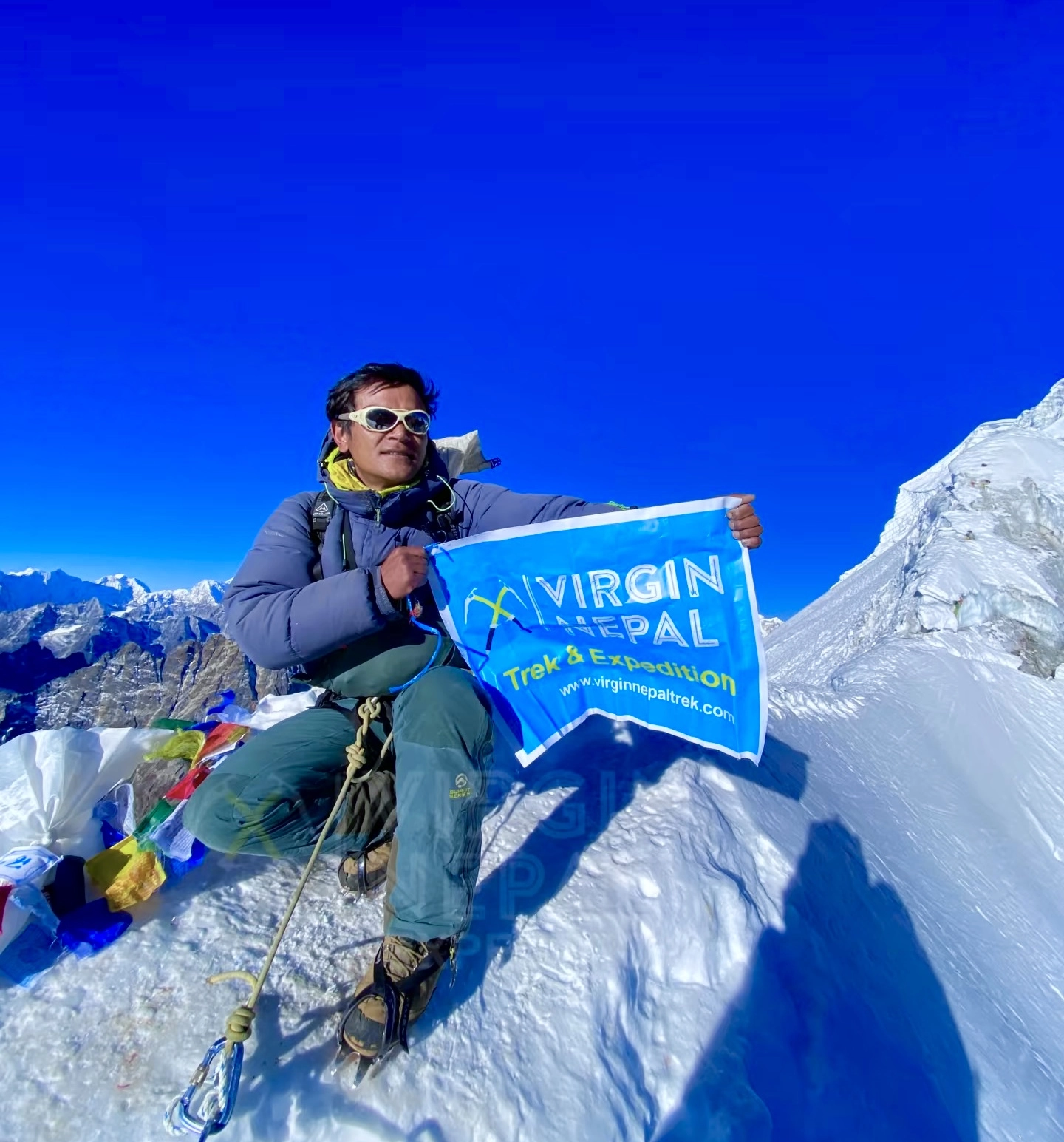
This is a big day, we wake up at 2.30 am around and after a breakfast, the group will put on crampons and rope up before setting out for the summit. From the high camp a well acclimatized party will take 3 - 4 hours to the central summit of Mera peak. If time and conditions permit we may opt to make the traverse to the slightly higher north summit. This excursion adds 2 -3 hours to the day, which is more technical in nature than the rest of the climb and the decision is to whether as we attempt this will be taken by the trip leader. From the summit can be seen the magnificent views of Mt. Everest (8,848m/29,029ft), Cho-Oyu (8,201m/26,906ft), Lhotse (8,516m/27,940ft), Makalu (8,463m/27,766ft), Kangchenjunga (8,586m/28,169ft), Nuptse (7,855m/25,770ft), Lubuche (6,145m/20,160ft), Chamlang (7,319m/24,013ft) are spectacular from the summit. You then retrace your steps to Khare after the climb with a rest and some hot soup at high camp on the way down. A long but inspirational day!
After a great success of the expedition to Mt. Mera we descend to Hinku valley and then to Gothey along the retracing trail for our overnight stop at camp. Enjoy the evening with local wines or whatever you want to relax at the camp and overnight.
Today, we have a last day of the trek and we start to climb few hundred meters to the Zatrwa La top will be our last climb of the trip. After the top we descend up to Lukla village where we concludes the trekking part and this evening enjoy with crews at the last dinner at the mountain and overnight at teahouse.
Our flights is in the morning for Kathmandu from Lukla. After breakfast at Lukla hotel, you will check in to the airport and take your flight back to Kathmandu. Transfer to your hotel. You will have free time to relax, freshen up and rest. In the evening, we will meet you again, take you feedback of Everest Base Camp Trek and host a farewell dinner at one of the finest Nepalese restaurant in Kathmandu. O/N at Kathmandu.
Breakfast Today you will depart Kathmandu.
Inclusion and Exclusion
- Airport pickup and drop-off in Kathmandu
- Hotel accommodation in Kathmandu
- Domestic flights as per itinerary
- Mera Peak climbing permit and government fees
- Makalu Barun National Park permit and local fees
- Experienced expedition leader and Sherpa climbing team
- Base Camp and High Camp tents, kitchen, and staff
- Full board meals at Base Camp
- Tea house accommodation and meals during trek approach
- Group climbing gear and fixed rope logistics
- Basic medical kit and emergency coordination
- Farewell dinner in Kathmandu
- International airfare and Nepal visa fee
- Personal travel and rescue insurance
- Personal climbing and trekking gear
- Extra hotel nights due to delays
- Personal snacks, beverages, and laundry
- Tips for guides and crew
- Any personal expenses not listed above
Gear List & Preparation Notes
Clothing: High altitude down jacket, base layers, insulated mid-layer, waterproof shell jacket and pants, climbing gloves and liners, warm hat, sun cap, thermal socks
Footwear: Double mountaineering boots, trekking shoes, camp shoes, gaiters
Climbing Equipment: Harness, crampons, ice axe, helmet, ascender, descender, carabiners, headlamp with spare batteries
Personal Items: UV sunglasses, high-SPF sunscreen, lip balm, water bottles, sleeping bag (-15°C), trekking poles, personal medication, toiletries
Physical: Begin training at least 3 to 4 months before departure. Focus on cardiovascular endurance, long hikes with a loaded pack, and stair climbing to build the stamina needed for sustained high-altitude effort.
Technical: Basic crampon and ice axe experience is strongly recommended before departure. A mountaineering skills course is advised for those attempting a glaciated peak for the first time.
Altitude: Mera Peak reaches 6,476 m. The acclimatisation days built into the itinerary are essential — follow the rotation schedule carefully and never push through signs of altitude sickness.
Mental: The Hinku valley approach is remote and the summit day is long and cold. A calm, focused mindset and complete trust in your climbing team will carry you to the top.
Insurance: Choose a policy that covers technical high-altitude climbing and helicopter evacuation at expedition altitudes.
Gear: All technical equipment must be familiar and well tested before departure. Practice crampon technique and ice axe use during training if this is your first glaciated peak.