BLOG AND ARTICLES
Page Image

BLOG AND ARTICLES

Jaljala: Nepal’s Hidden Mid-Hill Gem of Culture, Nature & Faith

Discovering Jaljala Beyond the Map

When travelers talk about Nepal, the conversation often turns to iconic destinations like Everest, Annapurna, and Langtang. But beyond these famous Himalayan trails lies a quieter and equally captivating destination—Jaljala.

Tucked away in Nepal’s beautiful mid-hill region, Jaljala offers a refreshing combination of untouched nature, deep-rooted spirituality, and authentic local culture. It is a place where rolling green hills meet peaceful forests, traditional villages preserve their way of life, and ancient beliefs remain closely connected to the landscape.

Jaljala is not simply a destination you visit—it is a place you experience and feel.

Away from busy trekking routes and crowded tourist trails, this peaceful ridge offers travelers the chance to slow down, breathe deeply, and reconnect with nature, local culture, spirituality, and themselves.

Where Is Jaljala? A Peaceful Mid-Hill Sanctuary

Located in Nepal’s mid-hill region, Jaljala represents a side of the country that is often overlooked by travelers. While Nepal is internationally known for its towering Himalayan peaks, its mid-hills offer a different kind of beauty—one shaped by lush forests, rolling landscapes, traditional settlements, and peaceful mountain communities.

The region is particularly appealing to travelers looking for a more relaxed and authentic experience.

Why Visit Jaljala?

Jaljala offers several unique advantages for trekkers and cultural explorers:

  • Moderate elevations: Ideal for beginners, nature lovers, and cultural trekkers.

  • Beautiful landscapes: Enjoy green hills, forests, valleys, and distant Himalayan views.

  • Authentic village life: Experience traditional communities and local lifestyles away from mass tourism.

  • Peaceful surroundings: Escape crowded trekking routes and enjoy the tranquility of nature.

  • Cultural and spiritual experiences: Discover local traditions, beliefs, and sacred sites along the journey.

Jaljala’s Beauty Lies in Its Subtlety

Unlike Nepal’s famous high-altitude destinations, Jaljala does not depend on towering peaks to impress visitors. Its beauty is quieter and more intimate.

Here, you may walk through lush forests, pass peaceful villages, watch clouds drift across green hills, and discover breathtaking views emerging unexpectedly along the trail. Every turn offers a new perspective, yet nothing feels rushed.

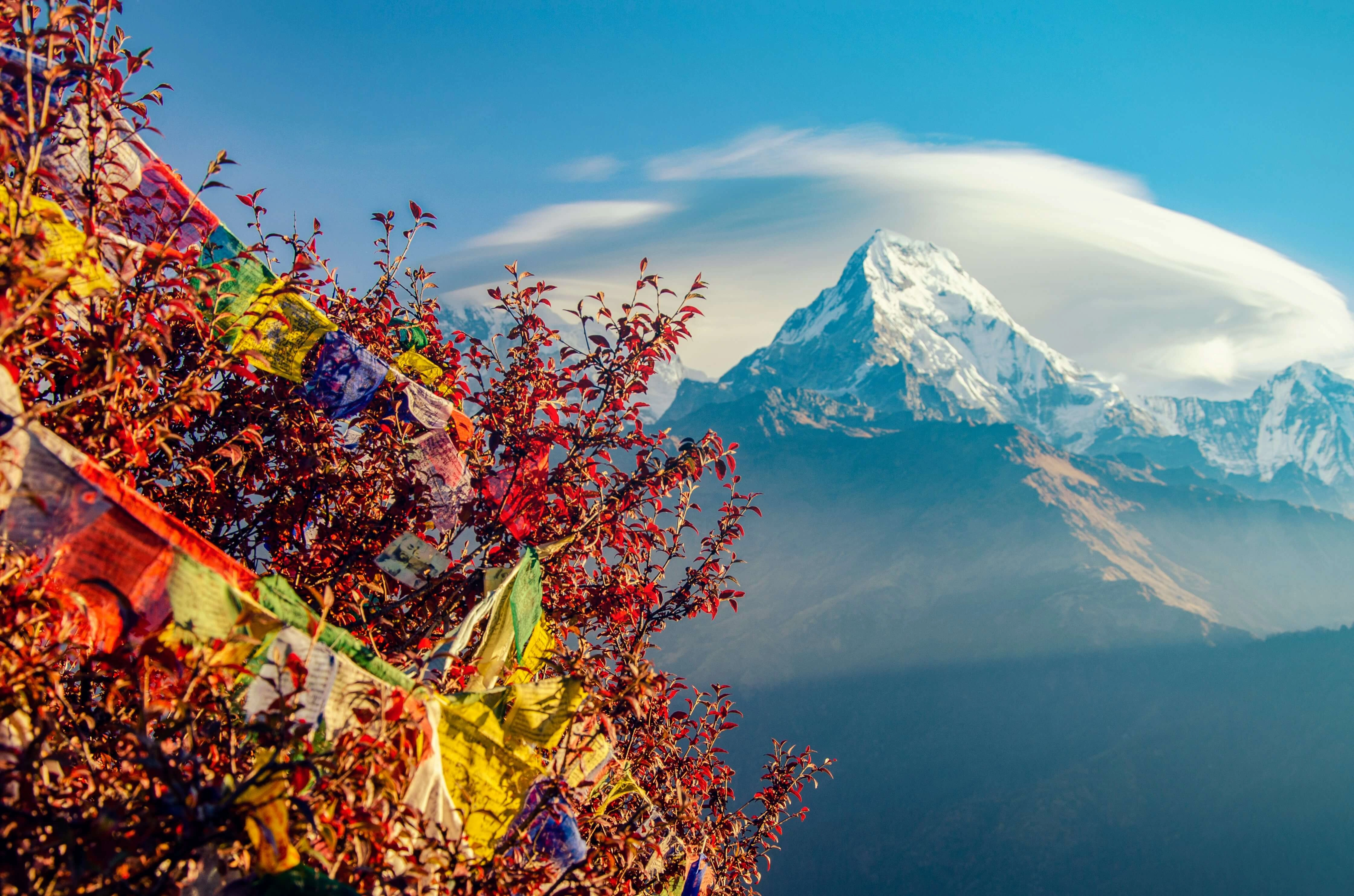
Early mornings are especially magical. As the mist slowly lifts from the hills, layers of green ridges gradually appear, with snow-capped Himalayan giants sometimes visible in the distance.

In Jaljala, nature doesn’t perform—it simply exists, and that is its greatest beauty.

For travelers willing to step beyond Nepal’s well-known destinations, Jaljala offers something truly special: a slower journey, a deeper connection with nature, and an authentic glimpse into the peaceful heart of Nepal.
Why You Must Visit Bhutan at Least Once: The Ultimate Guide to the Last Himalayan Kingdom

The Ultimate Guide to the Last Himalayan Kingdom

Are you searching for a travel destination that transcends ordinary sightseeing—somewhere that offers profound cultural immersion, untouched natural beauty, and a genuine retreat for the soul?

Nestled in the eastern folds of the Himalayas, Bhutan—the legendary "Land of the Thunder Dragon"—stands apart from the rest of the modern world. More than just a vacation spot, a journey to Bhutan is a step back in time into a realm where development is measured not by financial GDP, but by Gross National Happiness (GNH).

Discover why this Himalayan sanctuary belongs at the very top of your global travel bucket list.


1. A Living Tapestry of Culture and History

In a world characterized by rapid modernization, Bhutan fiercely protects its ancient heritage. Rooted deeply in Vajrayana Buddhism, the kingdom's daily life is imbued with spiritual grace.

  • The Dzong Architecture: Majestic fortresses (dzongs) serve as both religious and administrative centers, boasting intricate woodwork, massive whitewashed walls, and vibrant paintings.

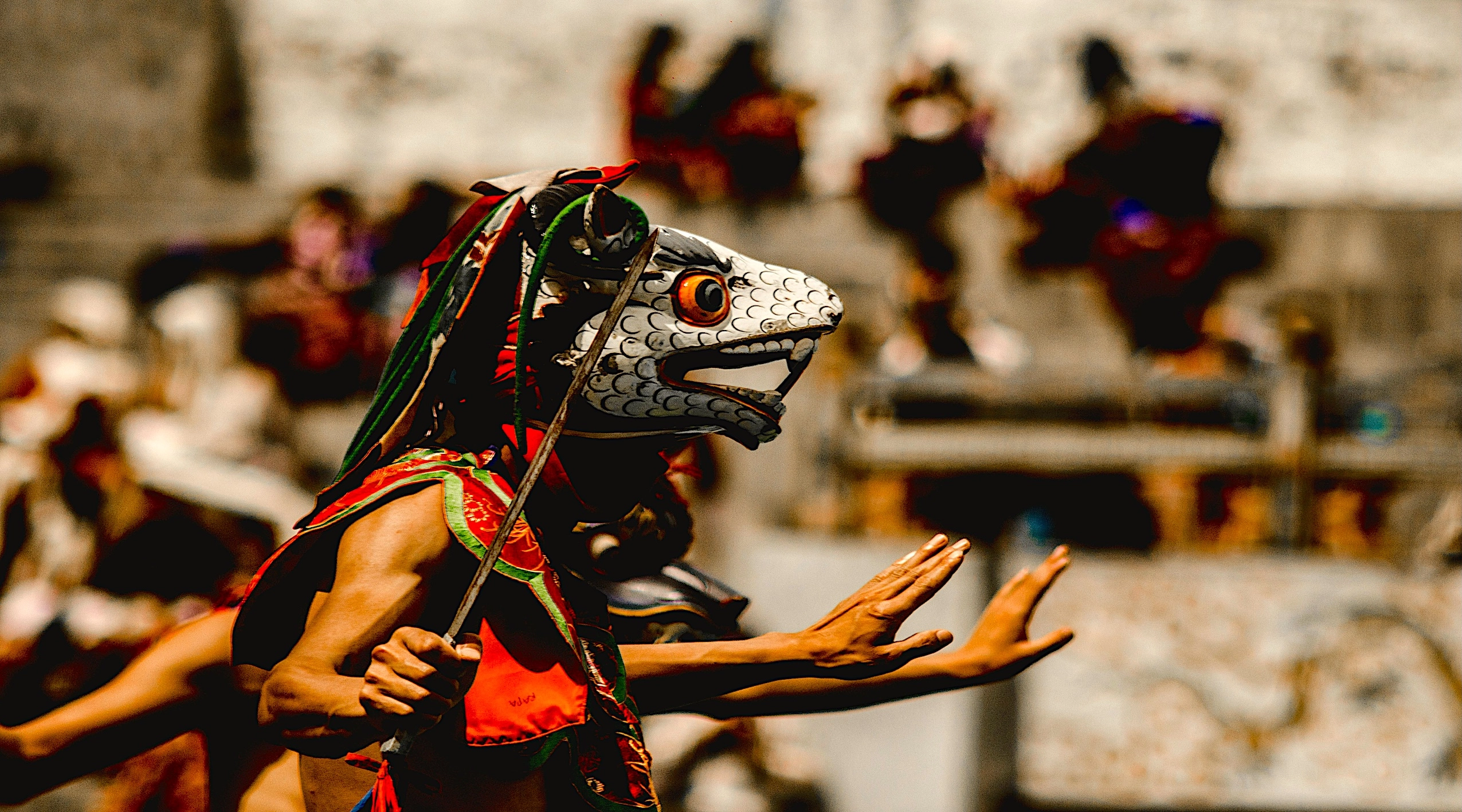
  • Vibrant Festivals (Tshechus): Witness sacred masked dances performed by monks and laypeople in celebration of religious legends, offering windows into a deeply spiritual society.

  • Traditional Attire: It is common to see locals proudly wearing their national dress—the knee-length Gho for men and the ankle-length wrap-around Kira for women—making the streets feel like a living museum.


2. A Carbon-Negative Paradise

Bhutan is officially the only carbon-negative country on Earth. With over 70% of its landmass blanketed in pristine forests, the nation absorbs vastly more carbon dioxide than it emits.

  • Pristine Wilderness: Breathe crisp, high-altitude air free of industrial pollution as you hike through pristine rhododendron forests, alpine meadows, and lush river valleys.

  • Iconic Treks: From the legendary cliffside ascent to the sacred Tiger’s Nest Monastery (Paro Taktsang) to multi-day Himalayan wilderness expeditions, outdoor enthusiasts are treated to some of the most dramatic landscapes on the planet.

3. Exclusivity and Mindful Travel

To protect its fragile ecosystems and cultural integrity, Bhutan pioneered a high-value, low-impact tourism model.

  • No Overcrowding: By managing daily visitor numbers and sustainable tourism tariffs, Bhutan ensures that its trails, temples, and valleys remain serene, quiet, and deeply personal.

  • Safety First: Consistently ranked as one of the safest destinations in the world, solo travelers, couples, and groups alike can explore with total peace of mind, supported by warm hospitality and professional local guides.

🏔️ Essential Travel Guide: Planning Your Journey

Climate & When to Go

  • Spring (March – May): Warm days, clear skies, and blooming valleys blanketed in colorful rhododendrons. Perfect for trekking.

  • Autumn (September – November): Crisp, dry air offering the clearest mountain views and vibrant cultural festival seasons.

  • Winter (December – February): Clear, sunny blue skies in the western valleys, ideal for cultural exploration.

What to Pack & Local Etiquette

  • Layering is Key: Mountain weather can shift quickly between intense sunshine and chilly alpine breezes.

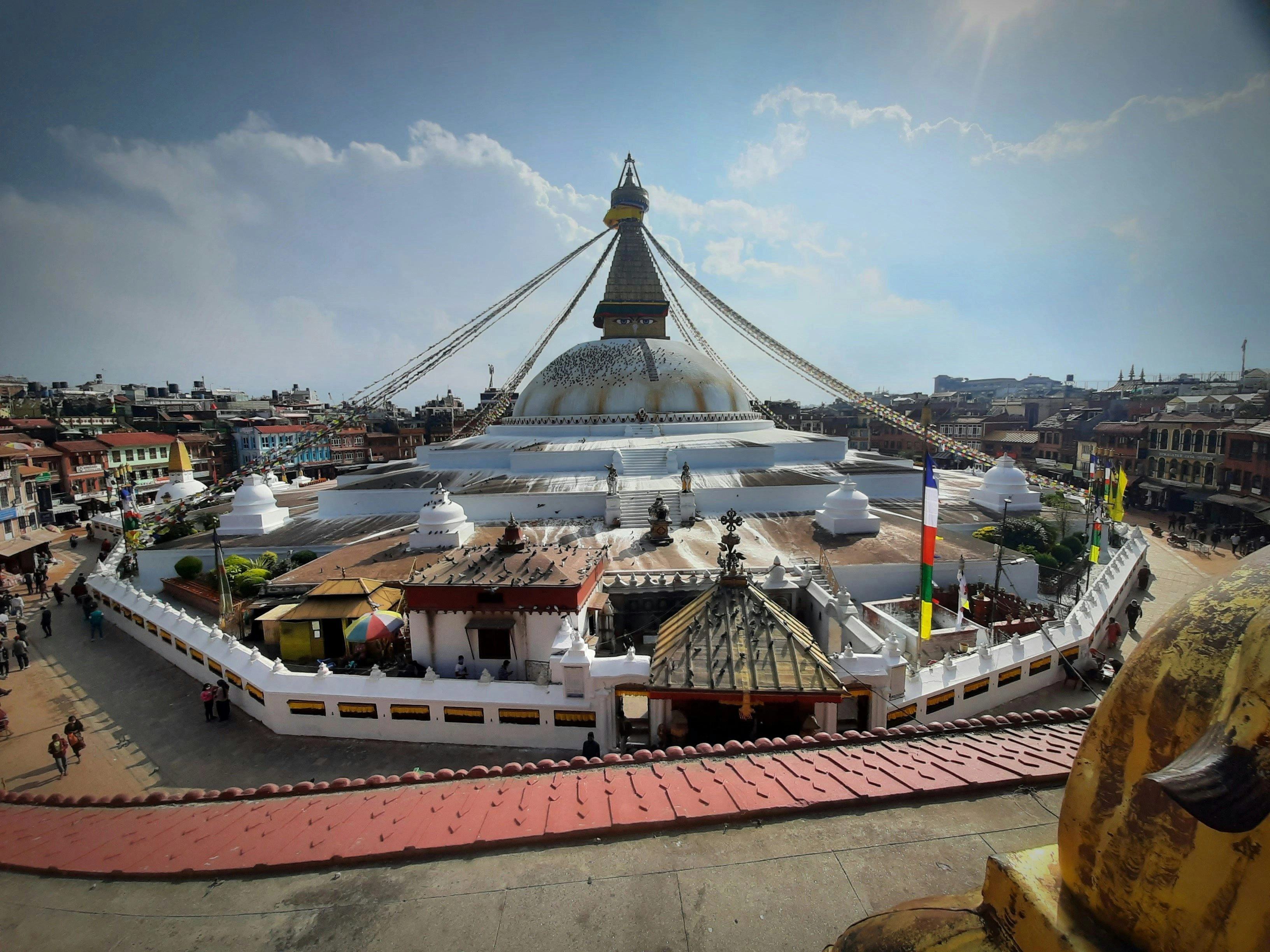
  • Temple Respect: Always remove hats, sunglasses, and shoes before entering religious sanctuaries. Walk clockwise around stupas and prayer wheels.

  • The Art of Gifting: When visiting local homes, small tokens of appreciation like dried fruits, tea, or sweets are warmly welcomed and presented with both hands.

✈️ Connecting to Bhutan from Around the World

Because of its dramatic mountain topography, Bhutan’s aviation infrastructure is uniquely centralized.

The Gateway: Paro International Airport

Recognized globally as one of the most thrilling and visually spectacular approaches in aviation, Paro Airport is nestled deep within a steep Himalayan valley. Flights are exclusively operated by specialized regional carriers (Drukair and Bhutan Airlines).

Global Transit Hubs

Because direct flights do not operate from outside immediate neighboring regions, international travelers typically route through key global air corridors:

  • Kathmandu (Nepal): The most popular and favored transit option. It offers a short, highly efficient 1-hour flight to Paro, frequent weekly schedules, and the breathtaking bonus of flying directly past Mount Everest.

  • Bangkok (Thailand) & Singapore: Excellent, highly connected international transit nodes offering seamless mainstream global flight options.

  • India: Various regional hubs provide connections, though travelers should account for specific transit documentation.

🍛 Taste the Thunder Dragon: Bhutanese Cuisine

Bhutanese culinary traditions are hearty, comforting, and remarkably flavorful, heavily featuring chilies, cheese, and locally harvested grains.

  • Ema Datshi: The undisputed national dish—a fiery, comforting blend of fresh green or red chilies simmered in rich, local yak or cow's milk cheese.

  • Red Rice: A nutritious, nutty grain grown in the fertile valleys of Paro, serving as the daily staple.

  • Momos: Steamed dumplings stuffed with spiced vegetables or minced meat, paired with fiery homemade chili dips.

  • Suja (Butter Tea): A traditional hot, salted tea brewed with butter, designed to warm travelers against the mountain chill.

Ready to Experience the Magic of Bhutan?

Begin planning your transformative journey into the heart of the Himalayas today. Whether you are seeking spiritual reflection, grand alpine adventures, or a deeper understanding of human happiness, Bhutan awaits.

NEPAL FESTIVALS: A LIVING TAPESTRY OF CULTURE AND TOURISM

Nepal’s Festivals: A Journey Through Culture, Tradition & Celebration

When travelers talk about Nepal, the conversation often turns to majestic mountains, ancient temples, and breathtaking trekking routes. But beyond its natural beauty lies another remarkable treasure—Nepal’s vibrant festivals, where ancient traditions, spirituality, and community come together in unforgettable celebrations.

From the thunderous beats of Dashain drums to the glowing oil lamps of Tihar, Nepal’s festivals offer a fascinating glimpse into the country’s rich cultural heritage. They bring families together, fill streets with music and color, and preserve traditions that have been passed down through generations.

Nepal’s festivals are not simply celebrations—they are experiences that allow travelers to connect with the heart and soul of the country.

Away from the usual trekking trails and mountain adventures, festival season invites travelers to experience Nepal from a different perspective. It is a time to slow down, interact with local communities, taste traditional foods, witness ancient rituals, and become part of the vibrant cultural life of Nepal.

Why Experience Nepal During Festival Season?

Nepal’s festivals are deeply connected to the country’s traditions, spirituality, family values, and community life. Each celebration offers travelers a unique opportunity to experience the authentic side of Nepal.

The country’s most celebrated festivals include:

Dashain: Nepal’s biggest festival, celebrated with family gatherings, tika, jamara, blessings, traditional feasts, and joyful celebrations.

Tihar: The Festival of Lights, known for oil lamps, colorful decorations, flower garlands, and the celebration of crows, dogs, cows, oxen, and siblings.

Indra Jatra: Kathmandu’s spectacular street festival, featuring chariot processions, traditional dances, music, ancient rituals, and the public appearance of the living goddess Kumari.

Dashain: Nepal’s Greatest Festival

Celebrated across Nepal for around 15 days, Dashain is the country’s biggest and most widely celebrated festival. It symbolizes the victory of good over evil and brings families and communities together.

During Dashain, homes become lively with family gatherings, traditional feasts, blessings, and celebrations. Elders place tika and jamara on younger family members as blessings for happiness, prosperity, and good fortune.

The skies also come alive with colorful kites, while villages and cities fill with the warmth and excitement of celebration.

For travelers, Dashain offers a wonderful opportunity to experience authentic Nepali traditions and witness the strong family and community bonds that make the festival so special.

Tihar: The Festival of Lights

Known as Nepal’s Festival of Lights, Tihar is one of the country’s most beautiful and colorful celebrations. Lasting five days, the festival illuminates homes, temples, and streets with oil lamps, candles, flowers, music, and vibrant decorations.

Each day of Tihar honors a different being, including crows, dogs, cows, oxen, and siblings, making it one of the most unique festivals in Nepal.

On the final day, brothers and sisters exchange tika, garlands, gifts, and blessings, celebrating their special bond.

As evening arrives, countless lamps glow across neighborhoods, creating a warm and magical atmosphere that beautifully combines celebration, spirituality, and tradition.

Indra Jatra: Kathmandu’s Vibrant Street Festival

Held in the heart of Kathmandu, Indra Jatra transforms the historic streets and squares of the Kathmandu Valley into a spectacular celebration of culture and tradition.

The eight-day festival features colorful chariot processions, traditional masked dances, music, rituals, and ancient ceremonies. One of its most significant highlights is the public appearance of the Kumari, Nepal’s living goddess.

The streets come alive with performers, musicians, devotees, and visitors, offering travelers a fascinating opportunity to witness centuries-old traditions that continue to thrive in modern Kathmandu.

Why Visit Nepal During Festivals?

Traveling through Nepal during festival season allows visitors to experience the country beyond its mountains and trekking trails. Local markets become livelier, traditional music fills the streets, homes are beautifully decorated, and communities come together in celebration.

Travelers can enjoy traditional food, witness ancient rituals, explore colorful decorations, meet local people, and experience the warmth of Nepali hospitality.

Whether you are celebrating Dashain with a local family, watching Tihar’s lamps illuminate the night, or witnessing the vibrant processions of Indra Jatra, Nepal’s festivals offer memories that remain long after the journey ends.

In Nepal, festivals are not simply events on a calendar—they are living traditions that connect people, communities, spirituality, and generations, offering travelers a deeper and more meaningful way to discover the heart of Nepal.

TREKKING AND EXPEDITIONS IN NEPAL: JOURNEY THROUGH THE HEART OF THE HIMALAYAS

Trekking and Expeditions in Nepal: Journey Through the Heart of the Himalayas

When travelers talk about Nepal, the conversation often turns to the majestic Himalayas, legendary trekking routes, and the world’s highest mountain—Mount Everest. Yet Nepal offers much more than towering peaks. Its diverse landscapes, peaceful mountain villages, ancient cultures, and breathtaking trails make it one of the world’s most rewarding destinations for trekking and Himalayan expeditions.

From the iconic Everest Base Camp to the scenic Annapurna region and remote Himalayan valleys, Nepal offers adventures for trekkers, mountaineers, nature lovers, and cultural explorers. Every journey brings a new perspective, from dramatic mountain landscapes to warm encounters with local communities.

Trekking in Nepal is not simply a walk through the mountains—it is a journey that connects travelers with nature, culture, adventure, and themselves.

Where Do Trekking and Expeditions Take You?

Nepal is home to some of the most spectacular trekking and mountaineering destinations in the world. Its diverse terrain ranges from lush green foothills and traditional villages to high-altitude valleys surrounded by snow-covered Himalayan peaks.

The most popular trekking and expedition regions include:

Everest Region: Experience the legendary Everest Base Camp trail, Sherpa culture, ancient monasteries, and breathtaking views of some of the world’s highest mountains.

Annapurna Region: Discover diverse landscapes, traditional villages, lush forests, dramatic valleys, and spectacular Himalayan scenery along routes such as the Annapurna Circuit and Annapurna Base Camp.

Langtang Region: Explore peaceful valleys, beautiful forests, traditional Tamang communities, and stunning mountain views while enjoying a quieter Himalayan experience.

Manaslu Region: Venture into a remote and culturally rich region where dramatic mountain landscapes, traditional villages, and challenging trails create an unforgettable adventure.

Why Go Trekking in Nepal?

Nepal offers an incredible variety of trekking experiences for travelers with different interests and levels of experience.

Moderate to Challenging Trails: Choose from comfortable cultural walks to demanding high-altitude adventures.

Breathtaking Mountain Views: Enjoy spectacular scenery featuring some of the world’s most famous Himalayan peaks.

Authentic Mountain Culture: Meet local communities, visit ancient monasteries, and experience traditional Himalayan lifestyles.

Diverse Landscapes: Walk through forests, valleys, rivers, alpine meadows, and rugged mountain terrain.

Adventure and Exploration: Experience the excitement of crossing high mountain passes, reaching remote valleys, and exploring lesser-known trails.

Trekking Through the Heart of the Himalayas

Unlike ordinary holidays, trekking in Nepal allows travelers to experience the mountains at a slower and more meaningful pace. Each day brings a new landscape, a new village, and a new connection with the people who call the Himalayas home.

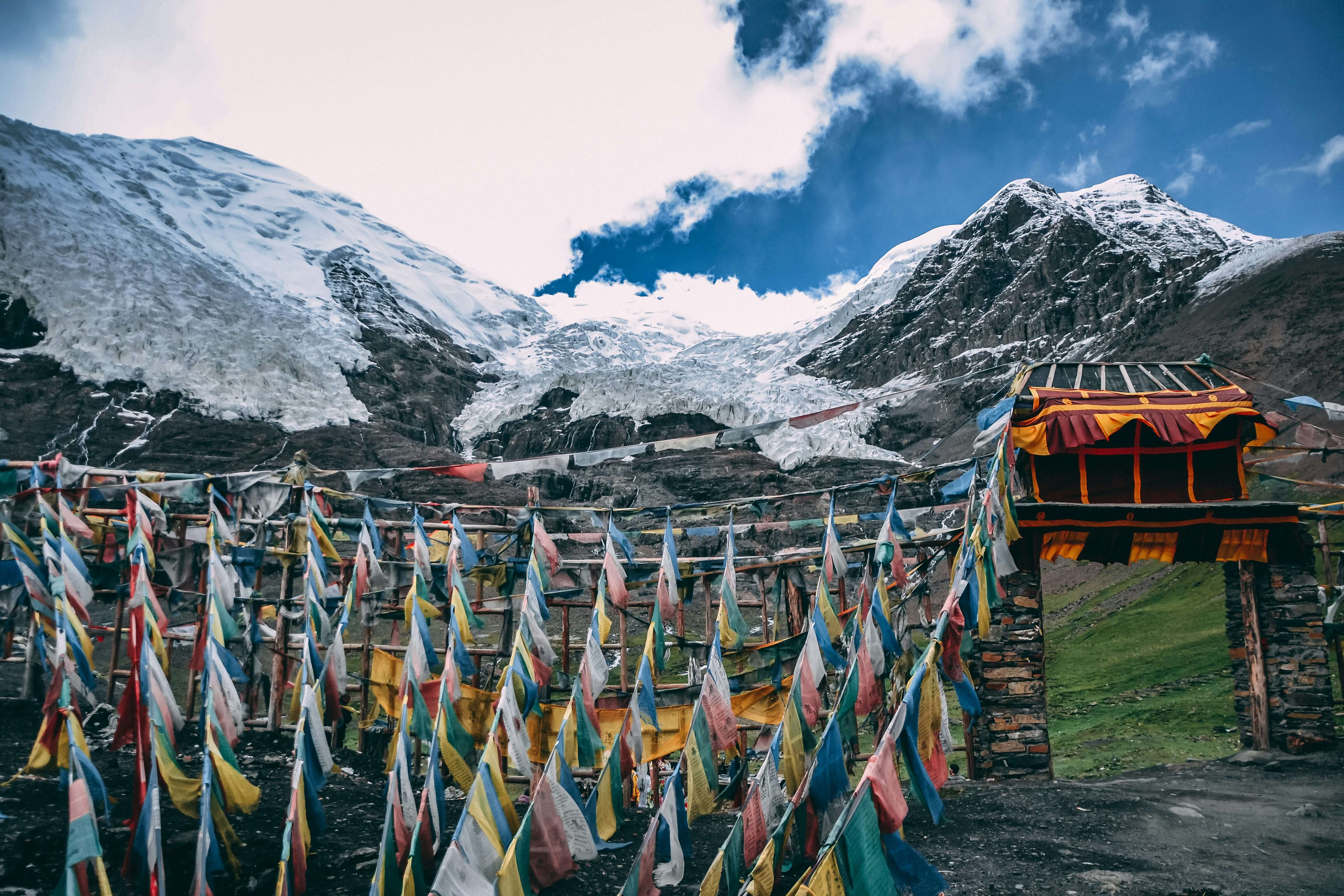
As the trail climbs higher, the scenery gradually transforms. Green hills give way to alpine forests, rocky landscapes, glacial valleys, and towering snow-covered peaks. Along the way, trekkers can encounter prayer flags fluttering in the mountain breeze, ancient monasteries, suspension bridges, and welcoming teahouses.

Early mornings are especially magical in the Himalayas. As the first rays of sunlight reach the peaks, mountains that were hidden in darkness slowly emerge, creating unforgettable views across the valleys.

In Nepal, every trail tells a story, and every mountain journey becomes a memory.

Expeditions for the Ultimate Himalayan Adventure

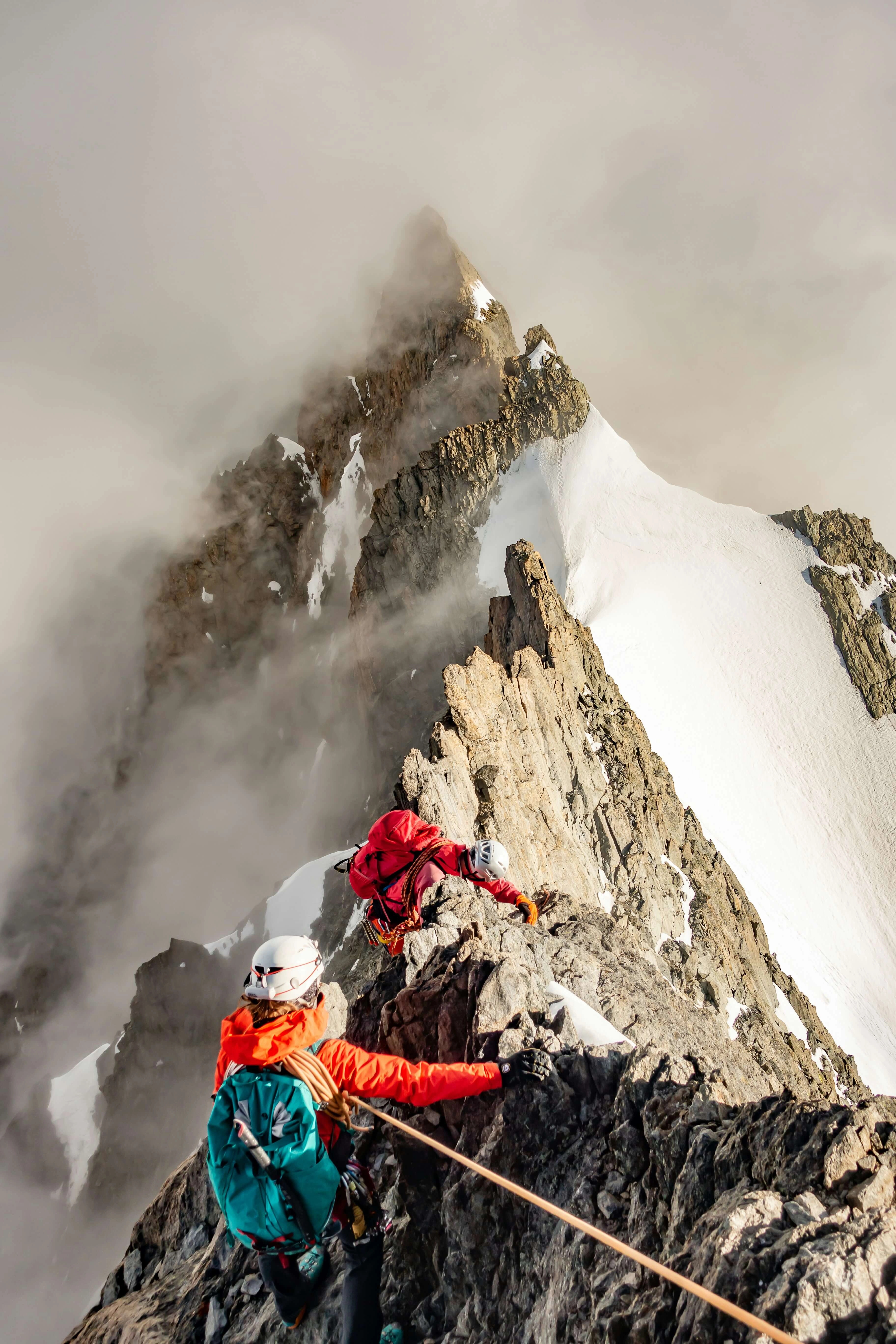
For experienced adventurers, Nepal offers much more than trekking. Mountaineering expeditions provide the opportunity to challenge yourself in some of the most demanding and spectacular environments on Earth.

From climbing Himalayan peaks to exploring remote mountain regions, expeditions require careful planning, experienced guides, proper equipment, and strong preparation. With professional support, travelers can take on challenging adventures while experiencing the extraordinary beauty of the Himalayas.

For travelers willing to step beyond ordinary tourism, Nepal offers something truly special: a journey through breathtaking landscapes, ancient cultures, remote communities, and some of the most magnificent mountains on Earth.

In Nepal, trekking is not just about reaching the destination—it is about discovering the journey, embracing the mountains, and experiencing the true heart of the Himalayas.

Himalayan Expeditions in Nepal: Conquering the World’s Greatest Peaks

Himalayan Expeditions in Nepal: Conquering the World’s Greatest Peaks

When travelers talk about Nepal, the conversation often turns to the mighty Himalayas, legendary mountaineers, and the world’s highest peaks. Home to Mount Everest and several other towering mountains, Nepal offers an extraordinary setting for climbers seeking adventure, challenge, and the ultimate high-altitude experience.

Himalayan expeditions in Nepal are more than journeys toward a summit. They are demanding adventures that combine physical endurance, careful preparation, technical climbing, and a deep connection with the mountains.

For experienced climbers, Nepal provides the opportunity to test their limits while exploring some of the most spectacular and challenging landscapes on Earth.

Where Do Himalayan Expeditions Take You?

Nepal is home to some of the most iconic climbing destinations in the world. From the legendary Everest region to remote mountain valleys, each expedition offers its own combination of technical challenges, dramatic scenery, and unforgettable experiences.

The most renowned expedition destinations include:

Mount Everest: Stand in the shadow of the world’s highest mountain and take on one of the most prestigious mountaineering challenges on Earth.

Lhotse: Experience the challenge of climbing the fourth-highest mountain in the world, located close to Everest in the Khumbu region.

Manaslu: Explore the spectacular surroundings of the eighth-highest mountain in the world while taking on a demanding Himalayan expedition.

Dhaulagiri: Venture into one of Nepal’s most dramatic mountain environments, surrounded by rugged terrain, glaciers, and towering peaks.

Why Choose a Himalayan Expedition in Nepal?

Nepal offers a remarkable combination of world-class mountains, experienced expedition professionals, and diverse high-altitude environments.

Iconic Himalayan Peaks: Take on some of the highest and most famous mountains in the world.

Challenging Adventures: Test your endurance, technical climbing skills, and determination in demanding mountain conditions.

Experienced Expedition Teams: Travel with knowledgeable guides and support teams who understand the challenges of high-altitude environments.

Spectacular Landscapes: Experience glaciers, icefalls, remote valleys, dramatic ridges, and breathtaking Himalayan scenery.

Cultural Experiences: Meet local mountain communities, visit ancient monasteries, and discover the traditions and lifestyles of people living in the Himalayas.

The Journey Beyond the Summit

A Himalayan expedition is not simply about standing on top of a mountain. The journey itself is filled with challenges, discoveries, and moments that stay with you long after returning home.

As climbers move higher into the mountains, familiar landscapes gradually transform into a world of glaciers, snow-covered ridges, rocky passes, and vast alpine valleys. Every stage requires patience, preparation, teamwork, and respect for the mountain environment.

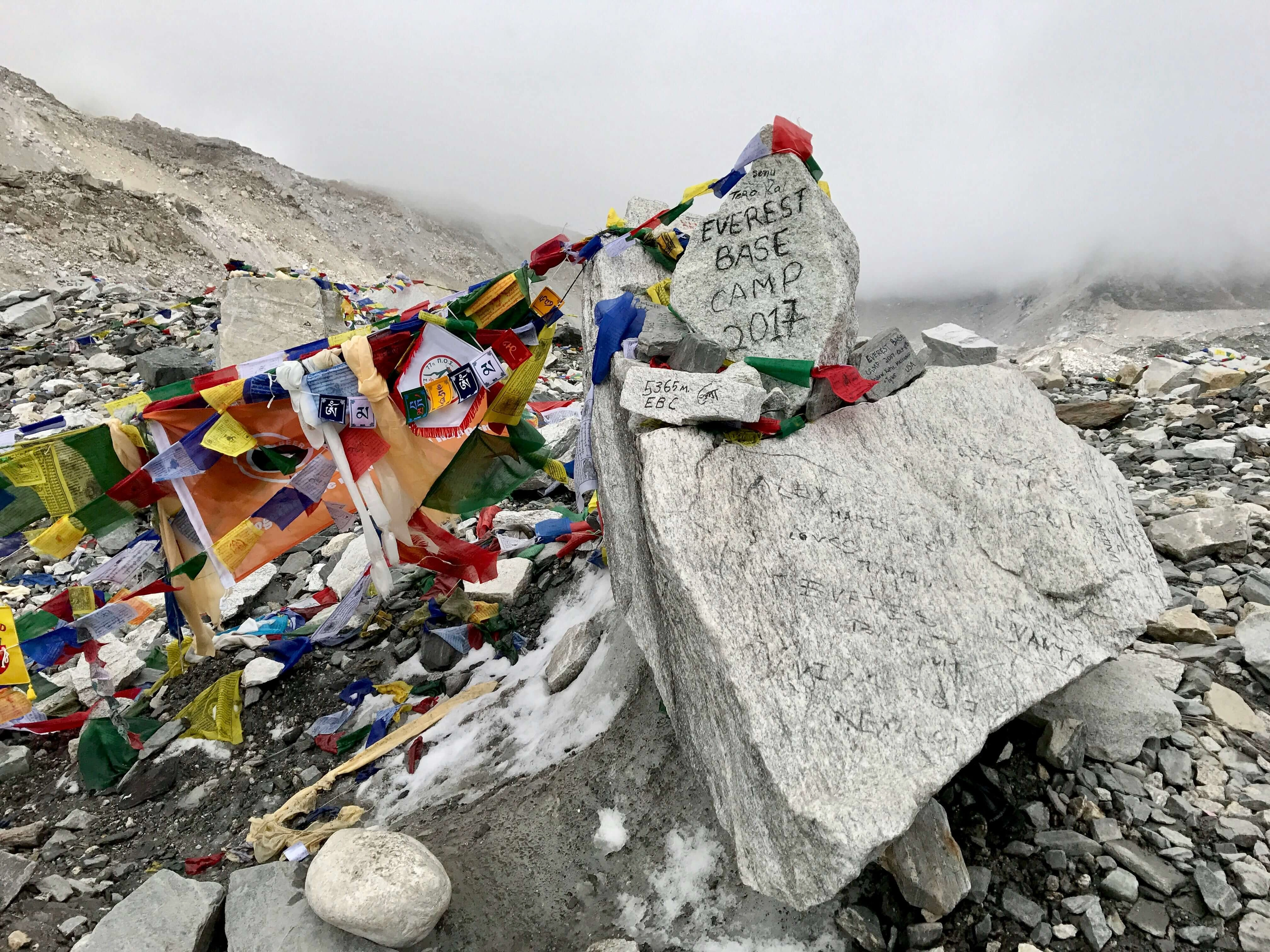
Along the way, climbers may encounter traditional mountain villages, prayer flags fluttering in the wind, ancient monasteries, and breathtaking views stretching across the Himalayan range.

Early mornings at high altitude are especially unforgettable. As the first light touches the surrounding peaks, the mountains slowly emerge from the darkness, creating a powerful reminder of the scale and beauty of the Himalayas.

In the Himalayas, the summit is only one part of the story—the real adventure lies in everything it takes to get there.

Preparing for the Ultimate Himalayan Adventure

Himalayan expeditions require careful preparation, physical fitness, technical skills, proper equipment, and professional guidance. High-altitude climbing can be demanding, and climbers must be prepared for changing weather, challenging terrain, and the effects of altitude.

With proper planning and experienced expedition support, climbers can approach these extraordinary mountains with greater confidence while respecting the environment and local communities.

For adventurers willing to push beyond their comfort zones, Nepal offers something truly extraordinary: the chance to explore some of the highest and most magnificent mountains on Earth while experiencing the courage, discipline, and determination required to pursue a Himalayan summit.

In Nepal, conquering a Himalayan peak is not simply about reaching the top—it is about embracing the challenge, respecting the mountain, and discovering how far determination can take you.

EVEREST EXPEDITION: THE ULTIMATE QUEST TO THE TOP OF THE WORLD

Everest Expedition: The Ultimate Quest to the Top of the World

When travelers talk about Nepal, the conversation often turns to Mount Everest—the world’s highest mountain and one of the greatest symbols of adventure on Earth. Rising dramatically above the Himalayas, Everest has inspired explorers, mountaineers, and dreamers from around the world to take on the ultimate high-altitude challenge.

An Everest expedition is not simply a climb to the highest point on Earth. It is a demanding journey that combines determination, physical endurance, careful preparation, teamwork, and respect for the powerful mountain environment.

For experienced mountaineers, standing on the summit of Everest represents more than reaching a destination—it is the fulfillment of a dream that has captivated adventurers for generations.

Where Is Mount Everest? The Roof of the World

Mount Everest is located in Nepal’s Khumbu region, within the magnificent Himalayas. The mountain rises to 8,848.86 meters (29,031.69 feet) above sea level and forms part of the border between Nepal and Tibet.

The journey toward Everest takes climbers through a spectacular landscape of glaciers, high-altitude valleys, rugged mountain passes, and traditional Sherpa villages.

The Everest region offers:

Breathtaking mountain views: Experience spectacular panoramas of Everest, Lhotse, Nuptse, Ama Dablam, and other Himalayan giants.

Sherpa culture: Discover the traditions, hospitality, monasteries, and mountain lifestyle of the legendary Sherpa communities.

High-altitude landscapes: Travel through dramatic glaciers, rocky terrain, ice-covered slopes, and remote Himalayan valleys.

Iconic trekking routes: Follow the legendary trail toward Everest Base Camp before beginning the expedition.

Why Take on an Everest Expedition?

An Everest expedition is one of the most challenging and rewarding adventures in the world. It requires preparation, patience, determination, and a strong understanding of high-altitude mountaineering.

World’s Highest Summit: Take on the challenge of climbing the highest mountain on Earth.

Ultimate Adventure: Push your physical and mental limits in one of the world’s most demanding environments.

Spectacular Himalayan Scenery: Experience breathtaking views of snow-covered peaks, glaciers, valleys, and mountain landscapes.

Cultural Discovery: Visit monasteries, interact with Sherpa communities, and experience the unique culture of the Khumbu region.

Personal Achievement: Reaching the summit represents a remarkable accomplishment and a lifelong memory.

The Journey to the Top of the World

An Everest expedition begins long before the summit attempt. Climbers first travel through the Khumbu region, gradually gaining altitude and allowing their bodies to adapt to the thin mountain air.

The journey takes climbers through beautiful mountain villages, ancient monasteries, suspension bridges, and rugged landscapes before reaching Everest Base Camp. From there, the expedition becomes increasingly challenging as climbers move through glaciers, icefalls, high camps, and steep mountain terrain.

Every stage of the journey requires careful planning and teamwork. Weather conditions can change quickly, and high altitude presents serious challenges that require proper acclimatization and experienced expedition support.

Early mornings high in the Himalayas are especially unforgettable. As sunlight reaches the surrounding peaks, Everest slowly emerges from the shadows, creating a breathtaking view that reminds climbers of the incredible scale and power of the mountain.

On Everest, the summit may be the ultimate goal, but the journey itself becomes a story of courage, perseverance, and discovery.

Preparing for the Ultimate Everest Adventure

An Everest expedition requires extensive physical preparation, technical climbing skills, appropriate equipment, acclimatization, and professional expedition support. Climbers must also be prepared to respect changing weather conditions, high-altitude risks, and the demanding nature of the mountain.

Proper planning and experienced guidance are essential for approaching such an extreme environment responsibly. Every expedition requires careful attention to safety, teamwork, environmental responsibility, and the well-being of everyone involved.

For climbers willing to push beyond their limits, Everest offers something truly extraordinary: the chance to stand at the highest point on Earth while experiencing the breathtaking landscapes, cultures, and challenges of the Himalayas.

On Everest, reaching the summit is not simply about standing on top of the world—it is about embracing the journey, respecting the mountain, and discovering the strength within yourself.

⚠️
Security Notice
devtools.intrusion_detected → true
Stop! This browser feature is for developers only.
If someone told you to paste something here,
they're trying to compromise your account.
system / log
devtools.open()
⚠ WARNINGUnauthorized access attempt
Session ID:
Timestamp:
security.alert.send()
Admin notified