Description
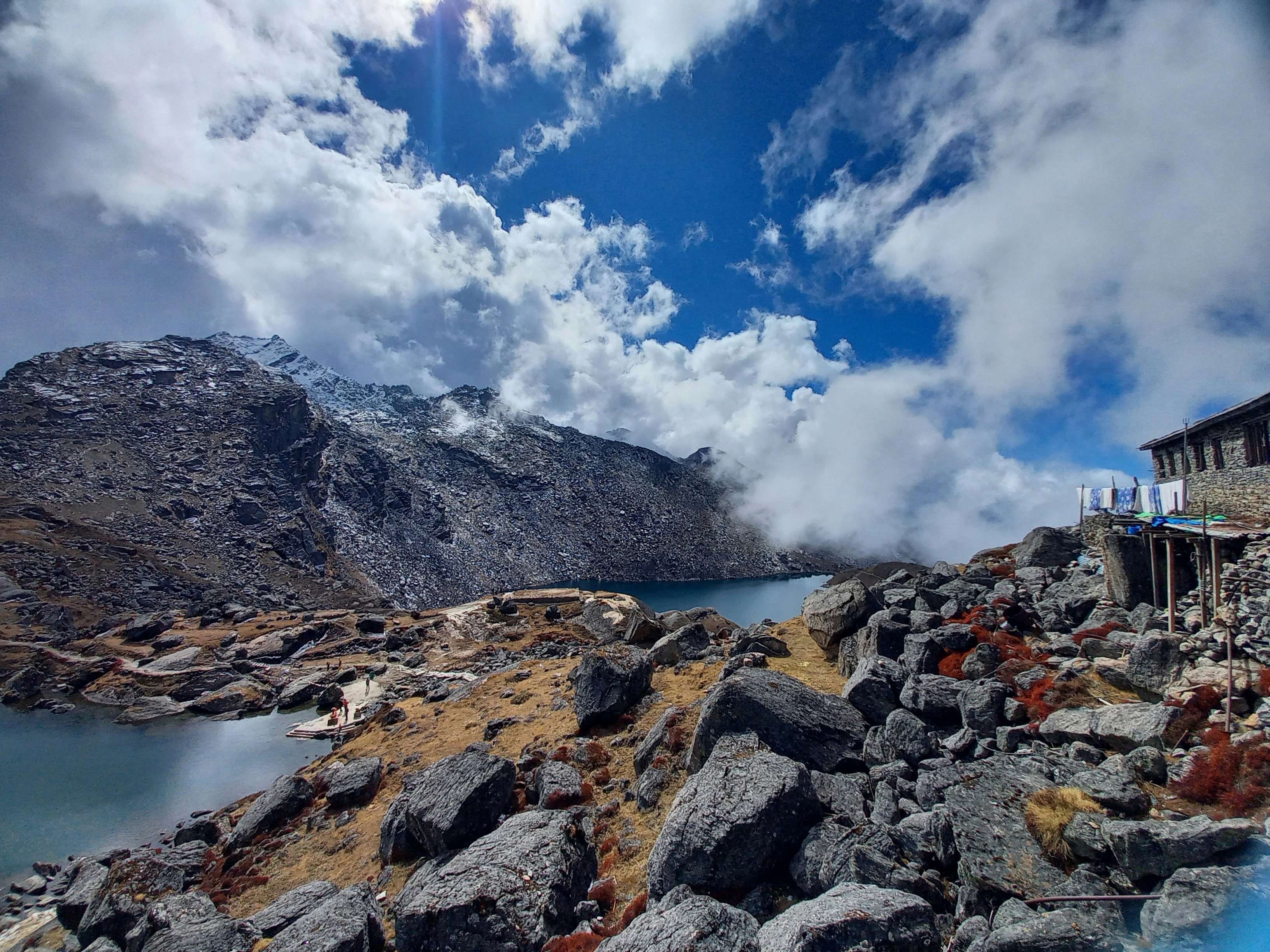
The Lobuche East Peak Climbing expedition is one of the most popular and rewarding high-altitude mountaineering objectives in the Everest Region, combining the legendary Everest Base Camp trail with a serious and technically engaging summit climb to 6,119 metres. It is an ideal expedition for experienced trekkers making their first step into technical Himalayan mountaineering.
The journey begins with a scenic flight to Lukla and follows the classic Khumbu trail through Namche Bazaar, Tengboche, and Dingboche before turning toward the Lobuche valley. The approach to High Camp passes alongside the Khumbu Glacier moraine, with the towering presence of Lobuche East growing more imposing with every step. A visit to Everest Base Camp is included in the itinerary, adding an iconic landmark to an already exceptional journey.
The technical section of the climb involves steep snow and ice slopes, fixed rope sections, and a demanding final ridge to the summit. The views from the top — spanning Everest, Lhotse, Makalu, Cho Oyu, Nuptse, and the full sweep of the Khumbu — are among the most spectacular rewards available on any 6,000m peak in Nepal.
With Virgin Nepal Treks and Expeditions, you are guided by an experienced Sherpa climbing team with deep knowledge of Lobuche East, ensuring thorough preparation, strong technical support, and a safe and well-managed summit experience.
Culture of the Everest Region
The approach to Lobuche passes through the heartland of Sherpa culture in the Khumbu valley. Monasteries, mani walls, and chorten-lined trails reflect a living Buddhist tradition that has shaped this mountain community for centuries. The spiritual atmosphere of Tengboche Monastery and the warmth of Sherpa teahouse hospitality along the route add a deeply human and culturally rich dimension to what is already an extraordinary mountaineering journey.
Best Season
Spring (March to May): Stable weather, well-established routes, and moderate temperatures make spring the most reliable and popular season for Lobuche East.
Autumn (September to November): Crisp, clear conditions and excellent mountain visibility offer a strong alternative season for this climb.
Contact our team for pricing, preparation guidance, and a custom climbing plan for Lobuche East.
Day By Day Itinerary
Our representative will greet you at Tribhuvan International Airport on your arrival schedule. Then you will be transferred to the hotel in the heart of Kathmandu city. Our staff will help you until the check-in procedure ends at the Hotel. You can have a rest at the Hotel. Overnight at Kathmandu
Final gear checks, permit processing, team introductions, and expedition briefing.
After breakfast, we prepare for a drive from Kathmandu along the banks of Trishuli River for a couple of hours up to Dumre and then along the banks of Marsyangdi River. Our drive goes over scenic zigzag hilly roads passing through Besisahar and drives towards Chamje. Before we could drive up to Besisahar and trek from there, but now the expansion of motor road has made it possible to drive further to Chamje - the starting point of the trek.
After breakfast, we leave Chamje and start our trek on the trail that crosses a suspension bridge and then climbs steeply to reach Sattale where the valley becomes narrow. After some time of trekking, we will arrive at the village of Tal, which marks the entry to Manang district. From Tal village, our trail descends down to cross a suspension bridge over Marsyangdi River. After crossing the river our trail is a fairly moderate trek all the way to the Gurung village of Dharapani.
Today we leave Dharapani and follow the trail that is a moderate trek towards the village of Bagarchhap. After crossing the village, our trail climbs steeply through the dense forest filled with fir and pine trees as we approach Timang. Great views of Lamjung Himal can be seen from here. Our trek continues on a flat trail and then descend before climbing again to reach Thanchok. From there we will gently descend to reach Koto for our overnight stay.
There is a permit check-post at Koto where we must register before trekking any further. After completing the registration process at Koto check-post our trail descends down to cross a suspension bridge over Naar Phu Khola and heads upstream to cross another suspension bridge over Seti Khola tributary. From there, our trail becomes steeper as the gorge closes in forming a canyon. We continue to trek with the thrilling experience of crossing a wooden bridge before making a final climb to arrive at the stone huts of Singenge for overnight camping.
From Singenge, we will follow the trail that passes through the seasonal settlement of Meta. During our trek, we will get stunning views of Annapurna II and Lamjung Himal. From here we will traverse around the hillside to a board clearing of Junam Goth. Our trail from here climbs a little before dropping down to cross Mruju Khola which is the outflow of Lyapche Glacier. From there we will climb steeply and cross an eroded section of the moraine to reach our campsite at Kyang.
After breakfast, we leave Kyang and follow the trail that enters a narrow gorge before descending down to the river. Once at the river bed - we will see a wooden bridge over the river. Instead of crossing the wooden bridge, we will trek along the trail that heads north. Our trail climbs steeply for some time before descending gently towards a series of deserted buildings and large chortens. From there, our trek heads for the crossing of a suspension bridge to arrive at the village of Phu. Here we will spend an additional day exploring around Phu village.
Today we will spend our day exploring around the village of Phu. The stone village of Phu is believed to be as old as 800 years. We spent our day visiting Samdu Monastery and Choling Monastery. Walking around the small streets will give us the feeling of stepping back in time. Also, climbing up to Tashi Monastery is considered best from an acclimatization point of view. Overnight at Phu village.
Today is a rather short day of trekking. After breakfast, we leave Phu and follow the slightly rising trail that heads all the way to a good campsite at 4842 meters. Once we reach our campsite, our climbing Sherpa crew will set up the base camp and start making preparations for setting up additional camps at higher altitudes above the base camp.
Climbers begin a series of rotations to higher camps:
-
Camp I (~5,450m): Gradual snow slopes and glacier travel
-
Camp II (~6,000m): More exposed terrain with fixed rope sections
-
Camp III (~6,350m): High camp used for summit push preparation
These rotations involve carrying loads, sleeping at higher altitude, and returning to Base Camp for recovery. This staged process is critical for proper acclimatization and strength building.
Having achieved our target - the summit of Himlung Himal, we make a relaxed start and clean up around the base camp. After breakfast, we leave base camp and start retracing our steps on the same trail that descends down to Phu village. We will stop at Phu for our overnight stay. Enjoy the rest of the evening exploring around the small streets of Phu. The environment around here is truly magical.
After breakfast, we leave Phu village and follow the same trail that crosses a suspension bridge and goes along a series of deserted buildings and chorten. We continue to follow the trail that descends towards Kyang. From there, our trail descends and crosses an eroded section of moraine before crossing the Mruju Khola. Our trek continues with breathtaking views of Annapurna II and Lamjung Himal. We will arrive at the seasonal settlement of Meta.
From Meta, our trek continues on the same trail that descends rather steeply to reach the bottom of the valley. Our trail passes through the stone huts of Singenge before descending down through densely forested sections. After some time of downhill trekking, we will approach a suspension bridge over Seti Khola tributary. We will cross the bridge and then climb for Then we cross a suspension bridge over Seti Khola tributary before climbing a short ascend to reach Koto village.
After breakfast, we pack our gear and leave Koto. Our trail climbs steeply as we approach towards the village of Thanchok. From there we will descend for a while before climbing a short switchback to reach Timang. At Timang there are few tea houses with good services for trekkers. Also, from here we can get mind capturing views of Lamjung Himal. After a small rest, we continue our trek on the trail that descends passing through thick pine and fir forest towards the village of Bagarchhap. A short trek from Bagarchhap will lead us to Dharapani for the overnight stay.
Today we leave Dharapani and trek along the landslide affected area before descending to cross a suspension bridge over Marsyangdi River. Our trail ascends gradually to reach Tal village. From there we trek towards the narrow section of the valley and eventually arrive at Sattal. A fairly moderate trek from there will bring us back to Chamje for our overnight stay. We will celebrate the evening with our climbing team members after accomplishing the challenging and adventurous - Expedition of Himlung Himal with Nepal Guide Treks and Expedition.
After breakfast, we will take a drive Chamje back to Kathmandu. Our drive is a scenic journey that goes over the scenic zigzag hilly roads and through the terraced farmlands, and dense forest areas with good views of Annapurna, Manaslu and Ganesh Himal ranges. The daily activities of the local people can be observed while our drive passes through numerous roadside villages and towns before arriving back to Kathmandu. You will be transferred to the hotel after arriving at Kathmandu
You would surely like to see as much of Kathmandu as possible. The world heritage sites of UNESCO inside Kathmandu, if not visited on the second day of the trip can be visited on this day. An early start is practical to visit the temples of Kathmandu. Also, walking around the shopping area of Thamel is worth spending quality time at Kathmandu. We will celebrate the successful completion of Himlung Expedition and have a final meal together in the evening.
As international per flight schedule Our representative will drop you at the International Airport as per your flight schedule.
Inclusion and Exclusion
-
Airport transfers in Kathmandu
-
Hotel accommodation with breakfast
-
All ground transportation as per itinerary
-
Restricted area and climbing permits
-
Experienced guides and Sherpa climbing team
-
Base Camp setup with dining and kitchen facilities
-
Teahouse accommodation during trekking phase
-
Expedition meals (Base Camp and climbing period)
-
Group climbing equipment and fixed rope logistics
-
Oxygen support (as per expedition package)
-
Communication and weather forecasting support
-
Medical kit and emergency coordination
-
International airfare
-
Nepal visa fees
-
Personal climbing gear
-
Travel insurance (mandatory)
-
Personal expenses and snacks
-
Rescue and evacuation costs
-
Tips for staff and crew
Gear List & Preparation Notes
Clothing: High altitude down jacket, base layers, insulated mid-layer, waterproof shell jacket and pants, climbing gloves and liners, warm hat, sun cap, thermal socks
Footwear: Double mountaineering boots, trekking shoes, camp shoes, gaiters
Climbing Equipment: Harness, crampons, ice axe, helmet, ascender, descender, carabiners, headlamp with spare batteries
Personal Items: UV sunglasses, sunscreen, lip balm, water bottles, sleeping bag (-15°C), trekking poles, personal medication, toiletries
Physical: Begin training at least 3 to 4 months before departure. Focus on cardiovascular endurance, stair climbing, and long hikes with a loaded pack to build the stamina required for sustained high-altitude effort.
Technical: Prior experience with crampons, ice axe, and fixed rope techniques is essential. A mountaineering skills course before departure is strongly recommended for first-time technical climbers.
Altitude: The climb reaches 6,119 m. The acclimatisation days built into the itinerary are essential — follow the schedule carefully and never push through warning signs of altitude sickness.
Mental: Summit day on Lobuche East is long, cold, and demanding. Strong focus, trust in your guide, and a calm and methodical approach will make the decisive difference.
Insurance: Choose a policy that covers technical high-altitude climbing and helicopter evacuation at expedition altitudes.
Gear: All technical equipment must be tested and familiar before departure. Practice crampon and ice axe techniques during training if you are new to alpine climbing.
Talk To Expert
CEO/Founder